Monday, November 23, 2020

Rio Tinto Mining Blew up Aboriginal site (Sept. 2020)

Abstract

            Rio Tinto is a mining company out of Australia that was founded in 1873. They are one of the many companies that mine in Australia. In May 2020 Rio Tinto blew up a 46,000-year-old Aboriginal heritage site while trying to mine for iron ore. Six years prior to the incident (2014) they found artifacts while digging. Some artifacts were 4,000 years old. In blowing up this Aboriginal heritage site it created a lot of backlash from indigenous landowners and descendants of the people who had lived there. Rio Tinto did have permission from the government to dig there (2013), so what they were doing was not illegal, but it was unethical, and many people were upset, distraught, and enraged.

            This paper will analyze Rio Tinto’s controversy in Australia in relation to the ethical theories Individualism, Utilitarianism, Kantianism, and Virtue theory. This is done in order to properly explain how Rio Tinto was acting ethically or unethically. From an individualist standpoint there is nothing wrong or unethical about what they are doing. They did not harm anyone, and they did not break the law. They were mining to maximize profits and doing so legally. From a Utilitarian standpoint Rio Tinto acted unethically. This is because no one was happy as a result of them blowing up the Aboriginal heritage site. The stakeholders were unhappy because they got let go and they had to pay a collective $5 million cut from their bonuses. The indigenous landowners and ancestors were unhappy because their heritage was destroyed and disrespected. From a Kantian perspective what Rio Tinto did was unethical because they were using the land/caves to make a profit. They did not view the caves as something valuable in itself. They viewed the caves as a way to make a profit. They also viewed the land as a mere means rather than seeing it as an end in itself. From a virtue theorist perspective, the actions presented were not moral or ethical. They did not express or demonstrate all the Cardinal Virtues (Prudence, justice, fortitude, and temperance). Instead of stopping themselves from moving forward and blowing up the Aboriginal site/caves, they let greed consume them and they could not hold themselves back. Rio Tinto needs to focus on their business process and their ethics within. They should also focus on their relationships with their customers and the Indigenous people/descendants of the Aboriginal heritage sites.

Ethics Case Controversy

            Rio Tinto is a mining company out of Australia. They were founded in 1873 and they operate out of 36 countries. As of 2019 they had 60 operations and projects going on. They are one of the largest mining companies out there today. Rio Tinto mines for aluminum, iron ore, copper, uranium, and diamonds. In this instance in the years leading up to 2011, Rio Tinto wanted to mine for iron ore in the Pilbara region specifically Juukan Gorge, Western Australia. “The Juukan Gorge was just one of 463 cultural sites which mining companies have applied for permission to destroy or disturb since 2010, with none of the applications refused” (Smith, Douglas). Some other companies who got their requests to mine accepted were Fortescue Metals Group, Hamersley Iron, Mineral Resources and BHP Billiton. So, Rio Tinto had sent in a request to mine there and “received permission to conduct the blasts in 2013 under Section 18 of the WA Aboriginal Heritage Act” (Stanley, Michelle, and Kelly Gudgeon).

(Aerial View of the Mine)

(Beginning of digging)
    Rio Tinto signed a “native title agreement with the traditional owners in 2011, four years before their native title claim received formal assent by the federal court” (Wahlquist, Calla). One year (2014) after they were given permission by the government in 2013 was when they finally started digging and mining. This is when they discovered some truly historical and amazing artifacts. What they found were many tools and objects used for grinding and pounding stones. They also found things like a bone sharpened into a tool and a 4,000-year-old piece of braided hair that, “DNA testing revealed were the direct ancestors of Puutu Kunti Kurrama and Pinikura traditional owners living today” (Wahlquist, Calla).

(Digging in one of the caves)

    Then, in May of 2020, Rio Tinto blew up the 46,000-year-old sacred indigenous site in Juukan Gorge, Western Australia. "Juukan Gorge's shelters [are] nine-times older than Stonehenge, 23-times older than the Colosseum and 75-times older than Machu Picchu," (Watson, Angus, and Ben Westcott).

After they blew the site up there were many conflicts that arose. There were 2 cave systems that were destroyed that had tens of thousands of years’ worth of human history and there were descendants/people of lineage that were enraged when they heard of this. The traditional owners and ancestors of the land are very upset with Rio Tinto and they are also upset with the system and government. The traditional owners didn’t know about the blast and only fund out by accident. “’Our people are deeply troubled and saddened by the destruction of these rock shelters and are grieving the loss of connection to our ancestors as well as our land,’ said John Ashburton, chair of the Puutu Kunti Kurrama Land Committee” (Stanley, Michelle, and Kelly Gudgeon). They said the government does not account for new information they just keep using the old laws.

(Cave before blast)
(Cave after blast)


The old law called the WA Aboriginal Heritage Act (AHA) was passed in 1972. According to dplh.wa.gov.au, the AHA “…protects all Aboriginal heritage sites in Western Australia, whether or not they are registered with the department”. This includes Aboriginal sites, remains, and objects. If there is any sign of Aboriginal descent at all, it is considered protected. This includes ritual/ceremonial sites. “There are currently 80 Protected Areas in Western Australia” (dplh.wa.gov.au). Permission is required and granted from the Minister for Aboriginal Affairs for any activity which can potentially negatively impact Aboriginal heritage sites. “Under the AHA, Aboriginal sites of outstanding importance may be declared Protected Areas. The AHA also provides protection for Aboriginal objects” (dplh.wa.gov.au). According to Douglas Smith the Act was, “drafted in 1972 to favour mining proponents”. So, this is easy to understand why the ancestors and Indigenous would be very upset with the government over this. As a result, there were alliances formed among the Indigenous leaders. They want to have these alliances to prevent future destruction of their heritage. “The First Nations Heritage Protection Alliance is made up of Aboriginal Land Councils, Native Title Representative Bodies and Aboriginal and Torres Strait Islander Community Controlled Organisations.” (Smith, Douglas). The Alliance does not consider Rio Tinto to be the “leading miner in building positive relationships with Aboriginal peoples” (Smith, Douglas) in Australia anymore. The people/landowners managed to get the government to review the act starting in 2012, but they weren’t able to get anything drafted until September 2, 2020.

The new bill, the Aboriginal Cultural Heritage Bill, that was drafted early September 2020 is “about valuing and protecting Aboriginal cultural heritage and managing activities that may harm that heritage” (King, Rachael, et al). The purpose of the bill is to recognize the Aboriginal cultural heritage importance to the community. “However, the Bill also recognises that there may be activities which benefit the community that have the potential to harm Aboriginal cultural heritage and that outcomes must be balanced and beneficial for both Aboriginal people and the wider Western Australian community” (King, Rachael, et al). Within this bill they redefined and widened the definition of what it means to be of Aboriginal cultural heritage, they created the Aboriginal Cultural Heritage Directory and Council, they also removed section 18 of the AHA, and they added offences and penalties for causing harm to Aboriginal heritage sites/culture.

            Besides Rio Tinto’s incident in Juukan Gorge, Western Australia, there was another controversy in Papua New Guinea, Australia. Specifically, relating to a mine Rio Tinto abandoned 20 years ago. They are facing accusations for this mine and people are saying it’s leaking poisonous waste into their rivers. Over 150 people have complained, and more than 12,000 peoples’ health have been affected by the waste. “The Panguna mine was one of the region's biggest for copper and gold in the 1970s and 1980s, but widespread anger among local communities over environmental damage and distribution of profits forced its closure more than two decades ago” (bbc.com). Rio Tinto ended up giving up its’ stake in the mine to the Australian government 4 years ago after all this. Natives think that Rio Tinto should take responsibility and clean up their mess they left.

Stakeholders

Between both controversies in Juukan Gorge, Western Australia and Papua New Guinea, Australia there was a lot of heat coming from all directions. CEO Jean-Sébastien Jacques of Rio Tinto decided it would be best if he resigned after he faced a lot of pressure from authorities and investors. “Jacques will leave once his successor is chosen or at the end of next March, whichever date comes first, according to the company” (He, Laura, and Angus Watson). Chris Salisbury, head of the iron ore business, and Simone Niven, group executive for corporate relations are the 2 senior executives that stepped down as well. Salisbury is stepping down from his position immediately and will leave the company at the end of the year. Niven will also exit at the end of December. According to cnn.com, on September 11, 2020 Rio Tinto’s stock went down by 1% in Sydney, Australia from the Friday before (September 4, 2020). The three executives who stepped down have already been penalized a combined £3.8 million (roughly $5 million USD) in cut bonuses. Rio Tinto chairman Simon Thompson said, "We are determined to ensure that the destruction of a heritage site of such exceptional archaeological and cultural significance never occurs again at a Rio Tinto operation…” (He, Laura, and Angus Watson).

Individualism

            Individualism, sometimes referred to as the economic theory, is about businesses. Specifically, that their only goal is to maximize profits for stockholders and owners as long as it’s within the law. The moral minimum “Economic Model” of business ethics has three distinctions: not harming, preventing harm, and doing good. Not harming anyone is the biggest distinction, but the other two are optional.

In relation to the Rio Tinto controversy an individualist would agree that there was nothing wrong with what happened on the side of profiting within the law. This is because Rio Tinto mining was only just trying to find iron ore in Juukan Gorge, Australia and they did not directly or physically harm any human being, nor did they break the law. The artifacts were just damaged. They were mining to maximize profits and doing so legally. The law in place, WA Aboriginal Heritage Act, did not declare Juukan Gorge, Australia as a protected site, so that is why they were granted permission to mine there. Rio Tinto took all necessary legal precautions and followed the necessary steps they needed to take to be able to mine there.

In the beginning Rio Tinto acted in a way to benefit the stakeholders. They followed the laws so that the stakeholders would not receive any backlash and they even waited a whole year from when they got permission from the Minister for Aboriginal Affairs to when they actually started digging. It was 7 years after they got permission from the Minister for Aboriginal Affairs that they actually used explosives to blow up the site. They followed the rules set forth and required so that they could profit from the mining of the iron ore. However, they did not foresee that the indigenous landowners and ancestors of the Aboriginal land would be so upset and enraged with their land being destroyed. As a result, by the end of the controversy a CEO and 2 senior executives had to step down and Rio Tinto’s popularity/status in Australia was tarnished. Rio Tinto even ended up giving up its’ stake in the Papua New Guinea, Australia mine to the Australian government. So, in the end the stakeholders were not benefitted or profited. They even had to pay a collective amount of $5 million in fines that were taken out of their bonuses before they left their positions.

Utilitarianism

            Utilitarianism involves everything about life and business. Utilitarian’s are concerned with actions and consequences. It is about looking at the consequences of an action and determining if it would maximize happiness for the overall good. Within utilitarianism there is the principle of utility. The principle of utility states that one should maximize happiness in all beings (yourself and others) and should include all long-term consequences. A utilitarian might be alright with lying and stealing if it makes a group of people happy as a result.

In relation to Rio Tinto’s controversy, a utilitarian would not agree with what Rio Tinto did. There were many people outraged and very unhappy with their company and the Australian government. The indigenous landowners and ancestors of the Aboriginal sites that were blown up were very upset and unhappy with the situation. They felt their heritage was disrespected and destroyed. There was nothing good to come out of this situation for them.

The stakeholders were unhappy in the end too. The company received a lot of backlash from not just the descendants of the Aboriginal sites/heritage, but also the media. So, the stakeholders were under direct fire from a lot of different groups and it can be seen that they would be unhappy with the stress and pressure. The three executive that ended up stepping down were unhappy in the end. They lost their jobs and they had to pay fines of $5 million that were taken directly out of their bonuses. Again, they even had to give up their stake in the Papua New Guinea, Australia mine to the Australian government, which makes stakeholders unhappy. So, this action of blowing up the mine created negative outcomes that overall made people unhappy and had long lasting negative consequences that outweighed the positives for the stakeholders.

Kantianism

            Kantianism is about acting rationally, logically, consistently and treating others with respect. Happiness isn’t something necessary here like with utilitarianism. Kantians believe that it is wrong to lie, steal, manipulate, deceive, and murder no matter if the outcome makes someone happy or upset. Kantians are concerned with Goodwill and good intentions. Kantians are motivated within and treat others with respect and dignity, they don’t use others, and have self-respect. The formula of humanity is about treating another person/thing as an end instead of a mere means. This means that one treats others as an end; something valuable in itself rather than treating them as a mere means. Treating someone as a mere means denotes that one is treating them as something valuable as a way to get something else. So, in other words Kantians would say don’t use someone as a way to get something else out of it. There are three kinds of motivations: self-interest, character or sympathy, and duty or moral law. According to Kant, the only one that is morally “praiseworthy” would be the duty or moral law. The duty or moral law is referring to doing what is right because it is the right thing to do.

            A Kantian would not agree with Rio Tinto blowing up the Aboriginal site. This is because Rio Tinto was using the land/caves to make a profit. They did not use the caves to do research or help anyone they just destroyed them. They did not view the caves as something valuable in itself. They viewed the caves as a way to make a profit. They viewed the land as a mere means rather than seeing it as an end in itself. This is a poor example of having good intentions by any means. They did not respect the indigenous landowners or the descendants of the Aboriginal heritage. It can even be said that Rio Tinto deceived the landowners and ancestors. They led them to believe that the land they were mining on was not of Aboriginal descent and did not have any traces of the heritage, when in reality they did have traces of the heritage and artifacts were found. Rio Tinto did not follow the motivation of duty or moral law. They did what they did for profit, they did not do what was right because it is right thing to do.

Virtue Theory

            Virtue theory or virtue ethics involves personal morality and individual character. It focuses on one’s personal character. It helps us to understand in depth all life within business. The virtues of business/The Cardinal Virtues are prudence, justice, fortitude, and temperance. None of these virtues come without the others. It is all or none. Prudence is governing oneself by use of reason. Justice is the will and doing what is fair, reasonable, and right. Fortitude or courage is risk-taking and the willingness to take a stand for what is right. Temperance attempts to keep us from excess; how far we can act on our desires.

            In relation to the controversy with Rio Tinto, a virtue theorist would say that the actions presented were not moral or ethical and it showed the company’s true character. In looking at the case it is easy to see that Rio Tinto did not have the Cardinal Virtues. If one looks specifically to the CEO who had stepped down, he obviously did not show prudence, justice, courage, or temperance. He didn’t use any reason, good judgement, and wasn’t cautious when making business decisions. If he was, then he would have seen that blowing up these Aboriginal sites was not right and not a good judgement call. The CEO and other executives must have seen this coming since situations like these with heritage are so sensitive. Yet they did not have fortitude or courage to take a stand for what was right. In the 6 years between when they found the artifacts until they actually blew up the site would have been a great time for someone to step up and speak up for what is right. Yet there is no account here of anyone trying to stop this from happening. Rio Tinto and the executives also did not express any temperance. Instead of stopping themselves from moving forward and blowing up the Aboriginal site/caves, they let greed consume them and they couldn’t hold themselves back. They let themselves act on their desire to profit and make lots of money.

Justified Ethics Evaluation

            In my opinion, Rio Tinto was in the wrong here even though they technically followed the law, and their actions were permissible. Even though their actions seemed permissible in the beginning, by the end of the controversy their actions were not morally correct and should not be permissible. They were acting out of greed and profit instead of having sympathy or temperance when it came to blowing up the mine. I believe that once Rio Tinto started digging in 2014 and found ancient artifacts that they should have not carried forward with the mining. They should have just stopped everything and should have wanted to preserve this history of Australia. It seems they did not care about the artifacts or their history. If they found artifacts there during their initial examination of the land, some over 4,000 years old, then why would they think it would be alright to blow up the rest of the artifacts that weren’t even dug up yet? Especially since there are many ancestors and indigenous landowners who are related to people that lived on the site. This can easily be seen as a touchy subject for people. How would you feel if someone blew up your great great great grandfathers’ old house just because it was in their way to make money? Basically, by Rio Tinto blowing up the site after finding artifacts shows that they did not really care about the descendants or their families who lived there 46,000 years ago. It showed that all they cared about was mining for that iron ore to make a profit. The company did not even pay any reparations or try to clean up the mess they left. All that happened was the 3 executives stepping down and they paid fines from their bonuses. So, all in all, Rio Tinto’s actions were permissible but not morally right.

Company Action Plan

            The issue with Rio Tinto was that they should have not blown up the Aboriginal site once they found the artifacts or any traces of Aboriginal culture/descent. They should’ve been able to recognize that this is a sensitive issue and should have respected the culture.

            So, a solution for Rio Tinto to apply to future situations would be to first fully and in depth do research on the piece of land that the are looking at to buy in order to mine. They should be physically going to these sites. Once they check the site out it would be best to then file necessary paperwork if there is nothing problematic that comes up in the initial examination of the site. Once all paperwork is accepted, then they can start digging. However, if a similar situation occurs where artifacts are found, then they should stop all further progress and contact authorities or the government to properly identify these artifacts. If they are something of significance, then it might be better to step back. Especially if it relates to someone’s culture/heritage. The potential fines/penalties and backlash that they would receive from every direction is not worth it in this situation. The cost would outweigh the profits. If the artifacts turn out to be nothing of significance, then they could continue to mine. Another thing to keep in mind here too is that in the beginning the company should start out slow with just digging and excavation because then they will have an easier time finding artifacts or traces of people if they are there. If they just start using dynamite, then whatever potentially was there would just get blown to a million pieces and there would be no way of saving the company from backlash if for some reason it turns out it was an important/historical site.

            According to Rio Tinto’s website their mission statement currently is, “Our strategy is to create superior value for shareholders by meeting our customers' needs, maximising cash from our world-class assets and allocating capital with discipline” (www.riotinto.com). I think their new mission statement should say something like; our strategy is to meet customer needs while balancing creating value for shareholders, maximizing cash, and respecting the land in which we operate on as well as the people who have lived there in the past. This makes it more personal and respectful of the people affected by their work and it can help in repairing their relationships with the people.

            Some core values Rio Tinto should have would be values like; having a balance and respect for the land they operate on, having sympathy and being aware of those affected by the company’s work, and to be disciplined and responsible in their research and processes. A way to ensure ethical productivity would be to have semi-annual meetings with employees and executives, to implement some new policies, and to adapt/update their current processes to ensure this problem does not happen again. The Rio Tinto mining company did fire 3 executives and it did help, but people still wanted reparations and for the company to clean up the messes they left behind. By Rio Tinto firing these executives it showed everyone that the company is taking this seriously. In order for Rio Tinto to bounce back and flourish again they should market in a way to show more emotion in what they are doing. They need to show that they care about to land and the people, and they need to show they respect them and would not deliberately destroy anything that is of significance to anyone. They should focus on their relationships with their customers and the Indigenous people/descendants of the Aboriginal heritage sites. They must repair the broken trust between Rio Tinto, the people/inhabitants, and the Australian government.

            The solution I have suggested will help Rio Tinto to be more profitable in the long run. If they were to keep on as they were, there would be more fines and penalties to come. The people would also reject them and not want them around. Which could result in them loosing more money than they are making, as well as loosing popularity within the business world and communities everywhere. If my plan were used it would create a better environment ethically within their company, which in turn would reflect out to the world.

References

He, Laura, and Angus Watson. “Rio Tinto CEO Resigns after Destruction of 46,000-Year-Old Sacred Indigenous Site.” CNN, Cable News Network, 11 Sept. 2020, www.cnn.com/2020/09/10/business/rio-tinto-ceo-intl-hnk/index.html.

King, Rachael, et al. “Modernising WA's Approach to Aboriginal Cultural Heritage.” Corrs Chambers Westgarth, 13 Nov. 2020, https://corrs.com.au/insights/modernising-was-approach-to-aboriginal-cultural-heritage?utm_source=Mondaq.

“Protection under the Aboriginal Heritage Act 1972.” Department of Planning, Lands, and Heritage, 20 Dec. 2018, Protection under the Aboriginal Heritage Act 1972 https://www.dplh.wa.gov.au/information-and-services/aboriginal-heritage/protection-under-the-aboriginal-heritage-act-1972.

“Rio Tinto: Mining Giant Accused of Poisoning Rivers in Papua New Guinea.” BBC News, BBC, 29 Sept. 2020, www.bbc.com/news/world-asia-54340227.

Rio Tinto, www.riotinto.com/.

Smith, Douglas. “Peak Indigenous Organisations Form to Protect Cultural Heritage.” NITV, 25 June 2020, www.sbs.com.au/nitv/article/2020/06/26/peak-indigenous-organisations-form-protect-cultural-heritage.

Sonal, Shruti, and Kirsty Needham. “Australia Begins Probe Into Rio's Destruction of Aboriginal Site.” Edited by Michael Perry, U.S. News & World Report, U.S. News & World Report, 18 June 2020, www.usnews.com/news/world/articles/2020-06-18/australia-begins-probe-into-rios-destruction-of-aboriginal-site.

Stanley, Michelle, and Kelly Gudgeon. “Pilbara Mining Blast Confirmed to Have Destroyed 46,000yo Cultural Sites.” ABC News, ABC News, 26 May 2020, www.abc.net.au/news/2020-05-26/rio-tinto-blast-destroys-area-with-ancient-aboriginal-heritage/12286652.

Wahlquist, Calla. “Rio Tinto Blasts 46,000-Year-Old Aboriginal Site to Expand Iron Ore Mine.” The Guardian, Guardian News and Media, 26 May 2020, www.theguardian.com/australia-news/2020/may/26/rio-tinto-blasts-46000-year-old-aboriginal-site-to-expand-iron-ore-mine.

Watson, Angus, and Ben Westcott. “Rio Tinto: Miner Apologizes for Blowing up 46,000-Year-Old Sacred Site.” CNN, Cable News Network, 1 June 2020, www.cnn.com/2020/06/01/business/rio-tinto-pilbara-sacred-site-intl-hnk-scli/index.html.

Purdue Pharma Pleads Guilty to Criminal Charges Regarding OxyContin (2020)

Abstract

            Purdue Pharma is a pharmaceutical corporation known for the creation and production of one of the most used, and prescribed opioids, OxyContin.

Throughout the past few decades, the opioid crisis has been fueled by drugs such as OxyContin, Fentanyl, and Hydrocodone. Recently, Purdue Pharmaceuticals has been in the media for the multitude of lawsuits and court cases against them regarding their contribution to the opioid crisis, and their failure to inform medical professionals the effect that OxyContin could have on a consumer. Over the past few year there have been lawsuits in 49 of the 50 states, in Washington D.C, and other U.S territories against Purdue Pharma and their actions, and contributions to the opioid crisis.

This paper will take the actions from Purdue Pharma, and evaluate them using the ethical theories, Individualism, Utilitarianism, Kantianism, and Virtue Theory. According to Individualism, Purdue Pharma acted ethically because they acted within the law and made a profit for their company. When looking at Utilitarianism, Purdue Pharma did not act ethically because in the end, not everybody was happy with the outcome of the decisions of the company. Using Kantianism to evaluate Purdue Pharma, they acted unethically because it seemed as if they were using the customers as an end, not a mere means, just to make a profit. Lastly, according to Virtue Theory Purdue Pharma acted unethically because they were not honest or transparent in their actions.

Opioid Crisis Background

            In the early 1990’s, the Opioid Epidemic, otherwise known as the Opioid Crisis, began. Pharmaceutical Companies such as Purdue Pharmaceuticals, Mallinckrodt Pharmaceuticals, and Amneal Pharmaceuticals started to produce synthetic drugs for pain relief. Oxycodone (Purdue Pharmaceuticals), Hydrocodone (Mallinckrodt Pharmaceuticals), Tramadol (Amneal Pharmaceuticals), and Fentanyl, which was produced by Dr. Paul Janssen of Belgium, are the most prescribed and used opioids that the Food and Drug Administration (FDA) has approved (Medline Plus). Heroin is also a commonly used opioid, however it is not approved by the FDA, and is currently an illegal substance.

OxyContin, created by Purdue Pharma in 1996

Patients are prescribed opioids for pain after a surgery, or an injury. Originally pharmaceutical companies assured doctors that it would be challenging to become addicted or misuse opioids, however as they became more popular people started to develop tolerances, and addictions. According to the National Institute on Drug Abuse, it is shown that “roughly 21 to 29 percent of patients prescribed opioids for chronic pain misuse them.” Once it became apparent that opioids were harmful, and addictive, doctors started to have conventions, and large meetings talking about the dangers and effects that opioids have on the human body. It is estimated that approximately 4 to 6 percent of people who misuse prescription opioids transition to using heroin, and about 80% of people who use heroin first misused prescription opioids (National Institute on Drug Abuse).

Purdue Pharmaceuticals Background

            Purdue Pharmaceuticals was founded in 1892 by John Purdue Gray, and George Frederick Bingham. This company is based out of Stamford, CT. In 1952, Purdue Pharma was sold to Raymond and Mortimer Sackler who took the business to Yonkers, New York. Currently Purdue Pharmaceuticals is owned by the Sackler Family.

            In the 1990’s, Purdue Pharmaceuticals introduced OxyContin, which is one of the most used, and prescribed opioids. Purdue Pharma’s target market was aimed at not only cancer patients, but all patients with chronic pain. Between the years of 1996 and 2004, Purdue Pharmaceuticals held over 40 national pain-management conferences for medical professionals to show the dangers of opioids (Zee, 2009). When OxyContin originally hit the market, the risk of addiction was misrepresented, and overlooked.

Purdue Pharma Headquarters in Stamford, CT

The Case Controversy

            When OxyContin was first produced, the real risks that it had to a person’s psychological health had not been fully disclosed to medical professionals. The risks of dependence, and addiction were overlooked, and not completely disclosed to the public.

            Over the past few decades, since OxyContin has been released to the public, it has been one of the main contributors to the Opioid crisis, which has claimed over 450,000 lives from the years of 1999 to 2018 (Centers for Disease Control and Prevention). The biggest problem that involved Purdue Pharmaceuticals, and the opioid crisis is that they did not warn or educate the medical providers about addiction or dependence once it first hit the market. Starting in 1996, and going until 2004, Purdue Pharma has held many conferences, and conventions expressing the risks and dangers of OxyContin.

            Purdue Pharmaceuticals was being sued in 49 states, Washington D.C., and various U.S. territories for a total of $2.15 trillion due to its role in the opioid crisis (Adams, 2020). In 2019, Purdue Pharmaceuticals filed for bankruptcy as part of a settlement with 24 states, and the District of Columbia (Hill, 2019). In 2019 Purdue Pharma reached a $270 million settlement in a lawsuit filed by Oklahoma, that claimed OxyContin contributed to thousands of deaths.

            Purdue Pharma plead guilty to federal criminal charges, including defrauding health agencies, and violating anti-kickback laws, for its role in igniting the opioid crisis, and agreed to pay $8 billion in settlements, and dissolve the company. Purdue Pharma as a corporation does not have $8 billion to pay the settlements so the company was said to dissolve, and the assets will be used to create a new public benefit company (Isidore, 2020). The Sackler family was also made to pay $225 million as a civil settlement, which is just a small portion of their $13 billion net worth. It is important to note that a large portion of their $13 billion net worth was generated from OxyContin sales (Hoffman and Benner, 2020).

Stakeholders

            The stakeholders in this controversy are the employees of Purdue Pharma, the Sackler Family, the medical doctors who prescribed OxyContin, the Board of Directors at Purdue Pharma, the sales team, and anybody who has a share in the company.

The Sackler Family, owners of Purdue Pharma


For starters, the Board of Directors, the CEO, Craig Landau, and the Owners, the Sackler Family are all involved in this controversy. Everyone played a role in the company, meaning they are all involved in the marketing, and sales of OxyContin. The sales and marketing team for Purdue Pharma also is to blame because they were the ones pushing the sales, and producing the marketing for OxyContin, when they were not giving the public the correct information about the product. In addition to the marketing team, anybody who was hired by Purdue Pharma was affected, because they could lose their jobs. The doctors, hospitals, and medical professionals who were prescribing OxyContin were also marketing the drugs.

Individualism

            Milton Friedman, Nobel-Prize winning economist says, "it is the aim and responsibility of businesses to maximize their profits" (Salazar 17). Friedman also explains that a business should not attempt to be socially responsible, and should not spend money on resources, employees, and donations to other charities because in turn that is stealing from the owners of the company. Since Purdue Pharma did everything in their power to maximize profits, there would be no actions that would be deemed unethical, therefore being permissible under individualism.

            While Purdue Pharma did everything in their power to maximize the profits of the company and maximize the profits for the stakeholders, when included aggressive marketing tactics. Purdue Pharma "violated anti-kickback laws by paying doctors, through a speaking program, to induce them to write more prescriptions for the company's opioids and for using electronic health records software to influence the prescription of pain medication" (Balsamo). While it may be viewed that Purdue Pharma acted ethically according to the individualism theory, they acted outside of the law meaning Purdue Pharma's actions are not permissible using the theory of individualism.

In order for a company's actions to be viewed ethical under individualism they must being doing everything in their power to maximize profits for the company while staying within the law. While Purdue Pharma did everything they could to maximize profits, they went against laws when marketing, meaning their actions are not permissible under the individualism theory.

Utilitarianism

Utilitarianism theory explains that "businesses should aim to maximize the happiness in the long run for all conscious beings that are affected by the business action"(Salazar 19). When OxyContin first hit the market in the 1990's, Purdue Pharma's actions would have been viewed as permissible under the Utilitarianism theory. At that time, doctors were thrilled to have a drug that would reduce pain, while having a lower likelihood of addiction. Consumers were thrilled because there was finally a solution to their chronic and severe pain. Lastly, the Sackler Family, and executives of Purdue Pharma were happy because they were making a huge profit off the sales of OxyContin. After years of OxyContin being on the market, thousands of people were affected by the drug. Consumer started to become dependent and addicted to OxyContin, leading to thousands of deaths. People were becoming addicted, and losing their lives, ultimately not being happy. Doctors were seeing the effects that the opioid had on their patients, and were disappointed in the outcome. Lastly, Purdue Pharma was not satisfied because they had a multitude of lawsuits against them, ultimately having to pay millions in fines.

Essentially the main goal of Utilitarianism is the maximize happiness in everybody involved, and in this case, nobody remained happy in the end result, meaning that Purdue Pharma's actions were not permissible by a utilitarian view. Looking at the entire case from start to finish, looking at deaths, lawsuits, settlements, and addiction nobody ended up happy. 

Kantianism

            Kantianism is to "always act in ways that respect and honor individuals and their choices. Don't lie, cheat, manipulate, or harm others to get your way. Rather, use informed and rational consent from all parties"(Salazar 20). In addition, Kantianism uses the formula of humanity, stating that everybody should be treated as an end, not a mere means. In the end, Purdue Pharma violated the formula of humanity when they used the consumers as a mere means to get a profit from their OxyContin sales. To Purdue Pharma it did not matter that people were becoming addicted, overdosing, or dying because they were making a profit, and the more they sold, the more of a profit they would make.

            The difference between Utilitarianism and Kantianism is that "Utilitarianism is concerned only with consequences of an action and Kantianism does not make decisions based on consequences, but rather on what Kant calls the 'Good Will'"(Salazar 21). Good Will is when "people have good intentions and use good reasoning to come to conclusions that make their good intentions effective"(Salazar 21). Clearly Purdue Pharma had only their best interest in their intentions, and were only working on the fact that they would make a profit, and that they would benefit for themselves. Purdue Pharma harmed thousands of people just to make a profit, which in the long run only had the top executives benefit from the payout.

            Kantianism explains that you must not lie, cheat or manipulate others to get your desired outcome. When Purdue Pharma marketed OxyContin they took away people's ability to think rationally. When people became dependent on the drug they were immediately manipulated. With this the consumers needed more and more OxyContin which in turn gave Purdue Pharma a larger profit. With that being said, Purdue Pharma's actions are impermissible under Kantianism because they manipulated consumers while also using them as a mere means.

Virtue Theory

           Virtue Theory is to "act so as to embody a variety of virtuous or good character traits and so as to avoid vicious or bad character traits" (Salazar 22). Clearly Purdue Pharma did not act based on good character traits and did not do whatever they could to avoid having poor character. Virtue Theory evaluates "virtues or the opposite of virtues, which are called 'vices.' Courage, honesty, wisdom, justice, prudence, temperance, intelligence, insight, are, compassion, leadership and teamwork are just a few of the many virtues that can help business people....a few vices that have been severely detrimental to overwise savvy and innovative business people are greed, dishonesty, and selfishness" (Salazar 23). 

    Purdue Pharma demonstrated actions that correspond with the detrimental vices. To start, the Sackler Family, and the top executives were so greedy and money hungry that they did whatever they wanted, harmed whoever, and went against their moral values to make money and to make a profit. In addition to greed, they were selfish and only looked after themselves when producing OxyContin. Their selfishness stems from their greed, in them wanting to have more money in their pockets, and fueling a problem that could be resolved if they acted ethically. They were also dishonest with the consumers and doctors when first marketing OxyContin. Purdue Pharma lied about the dangers of taking the drug, and the possible consequences that could come from consuming the opioid. Purdue Pharma's actions are impermissible by Virtue Theory because they went against all the good virtues, and acted on bad or poor characteristics. 

Justified Ethics Evaluation

            In my opinion Purdue Pharmaceuticals actions were unethical and morally incorrect. Purdue Pharma could have avoided most of the problems that were caused if they were upfront and direct about the effects that OxyContin had on the consumer. Rather than being transparent, Purdue Pharma was focused on the sales and marketing of the new opioid.

            Purdue Pharma, and the scientists creating the drugs had to be aware of the side effects, the risks, and the dangers of prescribing the drug, however they overlooked it, and did not properly explain the risks to doctors and medical professionals. Purdue Pharma should have known that the safety of the consumers was at risk, and with knowing that they should have taken the proper actions to either revise the drug to make it less harmful to the consumers, or properly educate the medical professionals who are marketing and prescribing this opioid.

            When OxyContin started to become the biggest factor in the opioid crisis, Purdue Pharma failed to recall OxyContin from the market, or do anything to alter the chemical makeup of the substance. Instead of finding a solution to OxyContin fueling the opioid crisis, Purdue Pharma stood by, and in the long run, it ended up harming them, as they had to pay billions of dollars in settlements, and file for bankruptcy.

            Overall, Purdue Pharmaceuticals did not do what an ethically driven corporation would have done. A company that practices basic morals and ethics would find a proper solution to keep the wellbeing of the consumers at first hand. Purdue Pharmaceuticals did not operate on an ethically driven basis because they were not looking out for everybody who could have been affected by the marketing of OxyContin.

Action Plan

Throughout the past decades the opioid crisis has been a prominent problem in United States. Pharmaceutical companies created opioids with the idea in mind that they would be helping patients deal with paid after injuries, or surgeries, rather people started to become dependent and addicted to the substances.

While it might not have been easy, or economically feasible at the time, Purdue Pharma could have recalled OxyContin because it was destructive to public health, and could have either found a better alternative to OxyContin, or could have changed the chemical makeup of the substance to make it less addictive or mind-altering. In addition to recalling the opioid, Purdue Pharma could have had better marketing tactics, and provided more clear and concise information regarding the dangers of taking OxyContin.

Purdue Pharma as a corporation needs to have a mission statement to demonstrate and explain their values, and beliefs as a company. An example of a mission statement would be, while excelling in the pursuit of new medicines, compassionate, and the safety of our customers is at the forefront of our decisions.

In addition to the mission statement the company should have a set of core values and beliefs in which their corporation revolves around. Some values may include the physical and mental safety of the customer, transparency, honesty, innovation, and compassion. The biggest value should be the safety, both mentally and physically of the customer. If the majority of the customer base is not responding to the drug as desired, and it is harmful to their health, ethically Purdue Pharma should do something to help, considering they produced the product in the first place. Along with safety, compassion and willingness to care are values that should be upheld by Purdue Pharma. The corporation should be honest with the public about the product they are marketing, and fully transparent in not only the marketing process, but also in the research and development process. Lastly, innovation is a key value considering Purdue Pharma creates, innovates, and produces.

To ensure ethical productivity, and prevent unethical behavior, it would be in Purdue Pharma’s best interest to start by recalling OxyContin and making in unavailable to all consumers. In addition, Purdue Pharma should consult a panel of doctors, researchers, and medical professionals while they develop new drugs to, they are safe for the consumer. Lastly, there should be intensified trainings with new and current employees going over the dangers of drugs use, and how they can help the community.

One solution is that Purdue Pharma should hire different doctors and researchers who would belong to the company. This will ensure that they are always available to give their input and are able to evaluate the new drugs that are being introduced to the market. This will also allow the company to become aware of the risks, and dangers that consumers could endure when taking any drug. In addition to hiring doctors and researchers, Purdue Pharma should also fire people on the marketing team who did not act with full transparency when advertising the product, while also firing any executive board member, or scientist who had a hand in creating the opioid, knew the dangers of it, and failed to say anything to the public.

It would be in the best interest of Purdue Pharma to fully disclose the side effects and problems that occur or can occur when taking the drug, and make sure that it is clear enough for the general public to understand. The marketing team should not use any technical jargon, or medical terms that could be confusing for the consumers to understand and interpret.

This proposed plan will benefit Purdue Pharma, and increase not only productivity and profits for a variety of reasons. First, acknowledging your mistake, and taking the proper action to correct it will instill more trust from the consumers in you. With this, the company will be more profitable because people will want to invest and purchase the product that Purdue Pharma is creating. The proposed plan conforms to the mission statement and values because it is keeping the safety of the consumers at hand, which is the most important idea, while also acting ethically and socially responsible for their actions in the present and in the future.

Nicole Bourgeois

References

Adams, K. (2020, August 18). 49 states file $2.15 trillion opioid epidemic lawsuit against Purdue Pharma: Purdue Pharma is being sued for $2.15 trillion by 49 states, Washington, D.C., and various U.S. territories for its role in the opioid crisis, according to CNN. Retrieved November 23, 2020, from https://www.beckershospitalreview.com/opioids/49-states-file-2-15-trillion-opioid-epidemic-lawsuit-against-purdue.html

Michael Balsamo and Geoff Mulvihill, T. (2020, October 21). U.S. Officials: OxyContin Maker To Plead Guilty To 3 Criminal Charges. Retrieved December 17, 2020, from https://www.wbur.org/commonhealth/2020/10/21/purdue-pharma-guilty-please-opioid-epidemic

Center for Disease Control (CDC). (2020, March 19). Opioid Overdose: Understanding the Epidemic. Retrieved from https://www.cdc.gov/drugoverdose/epidemic/index.html

Joseph, A. (2019, September 16). Purdue Pharma filed for bankruptcy. What happens with lawsuits it faces? Retrieved November 23, 2020, from https://www.statnews.com/2019/09/16/if-purdue-pharma-declares-bankruptcy-what-would-it-mean-for-lawsuits-against-the-opioid-manufacturer/

Purdue Pharmaceuticals. (2019, May 28). Purpose Statement and Values. Retrieved November, from https://www.purduepharma.com/about/ethics-and-compliance/purpose-statement-values/

Salazar, Heather. The Business Ethics Case Manual. n.d.

Shraddha Chakradhar @scchak and Casey Ross @caseymross, Chakradhar, S., Ross, C., Chakradhar Reporter, A., & Chakradhar Reporter, S. (2019, December 30). The history of OxyContin told through Purdue Pharma documents. Retrieved November 23, 2020, from https://www.statnews.com/2019/12/03/oxycontin-history-told-through-purdue-pharma-documents/

Sunday, November 22, 2020

Johnson & Johnson Talc Powder May Cause Ovarian Cancer (2016-2020)

     Johnson & Johnson has been a trustworthy company for many years. They pride themselves on keeping people healthy at every age and stage of life. However, their credibility was questioned after an enormous number of consumers reported that their talcum-based baby powder caused ovarian cancer. This issue caused negative publicity for the company and added a long-term damage on the brand. After decades of Johnson & Johnson falsely misleading consumers and the FDA about the impact of asbestos-contaminated talc on public health, thousands of affected consumers are seeking justice after developing cancer.                          

    Ethical theories would analyze Johnson & Johnson’s actions in diverse ways. An Individualist would say that Johnson & Johnson did not maximize profits for the business within the law because they failed to inform the public and their stakeholders about the scientific findings of their baby powder. A Utilitarian would say that Johnson & Johnson is unethical because of the consequences of their mistakes. They knew that talcum caused cancer and posed as a risk to the consumers, but they continued to sell the product anyways. A Kantian would view Johnson & Johnson as unethical because they manipulated their consumers for many years. By selling their talcum-based powder without proper safety protocol, they were evidently implementing bad will. Under the Virtue Theory, Johnson & Johnson is considered unethical because they exhibited many bad character traits. Proving that they do not care about the safety and health of their consumers. Johnson & Johnson needs to focus its resources on testing their product, reestablishing their values, and monitoring product safety in order to portray empathy for the consumers. Above all, Johnson & Johnson needs to have open relationships with consumers and stakeholders for the sake of reinstating their brand and ensuring good ethics.

Ethics Case Controversy
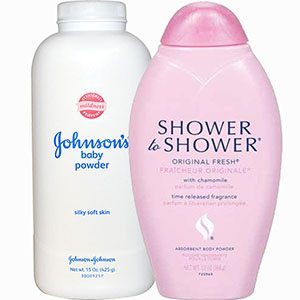
    In 2018, a Missouri appeals court upheld a jury verdict that Johnson & Johnson’s talcum-based baby powder caused ovarian cancer in twenty-two women. The Missouri Court of Appeals also reduced the total damages from $4.69 billion to about $2.1 billion that Johnson & Johnson was ordered to pay. This verdict was the biggest award of damages in a series of lawsuits over the safety of Johnson’s Baby Powder. The series of lawsuits also resulted from another talc-containing powder, Shower to Shower, that Johnson & Johnson used to sell. As of March, more than 19,000 plaintiffs had filed talcum-powder lawsuits against Johnson & Johnson in U.S. courts. The plaintiffs alleged that talc-containing powders caused ovarian cancer in women who used it for feminine hygiene for years. Others said that inhalation of the powder caused a rare cancer called mesothelioma, which affects the lining of the lungs. Their lawyers also have alleged in some cases that the talcum powder contained asbestos, a naturally occurring mineral linked to mesothelioma. In the Missouri Case, six of the twenty-two women died from ovarian cancer before the trial and five more after it ended. 
    On the other hand, Johnson & Johnson is continuing to state that their talc-based powder “is safe, doesn’t contain asbestos, and didn’t cause cancer in people who used it.” As a result of the talcum-powder verdicts and negative publicity over this issue, Johnson & Johnson’s reputation started to decline, and stock prices rose 0.1%. In 2019, Johnson & Johnson recalled about 33,000 bottles of its baby powder after the U.S. Food and Drug Administration said a laboratory test found a small amount of asbestos in one bottle. Johnson & Johnson said, “it issued the recall out of an abundance of caution and said subsequent testing of the same bottle and lot by different labs found no asbestos.” In May, they stated that they will stop selling talc-containing baby powder and continue to sell a cornstarch-based version of Johnson’s Baby Powder in the U.S. and Canada. 

Johnson & Johnson’s Baby Powder Showing Talc as an Ingredient

    Johnson & Johnson has been selling talcum-based baby powder since 1894. However, America’s litigation-friendly legal system subjected the company to an abundance of baby-powder lawsuits, making it too expensive to sell in the U.S. The first wave of lawsuits alleged that the product caused ovarian cancer – a claim the best medical science doesn’t support. A January study in the Journal of the American Medical Association followed more than 250,000 American women for 11 years and found no significant ovarian-cancer risk associated with talcum-powder use. The Centers for Disease Control and Prevention does not list talc as an ovarian-cancer risk. The Food and Drug Administration has consistently found insufficient evidence to mandate an ovarian-cancer warning label on talcum powder. 
An FDA determination that a product is safe doesn’t usually preclude litigation alleging otherwise. Between 2016 and 2018, five different juries in St. Louis returned verdicts totaling almost $5 billion. More-recent talcum-powder lawsuits have invoked a new theory of harm. Asbestos, once ubiquitous in-home insulation, has been definitively linked to the lung cancer mesothelioma – leading asbestos litigation to become the largest and longest-running mass tort in the U.S. Despite longstanding efforts by Johnson & Johnson and other manufacturers to eliminate asbestos entirely from consumer products, a small number of tests over the past five decades have detected some asbestos in talcum powder samples. As a result, asbestos lawyers have Johnson & Johnson as their latest deep-pocketed corporate defendant as other lawsuits bankrupted all the actual asbestos manufacturers long ago.
Asbestos
    An executive at Johnson & Johnson said the main ingredient in its best-selling baby powder could potentially be contaminated by asbestos, the dangerous mineral that can cause cancer. 
He recommended to senior staff in 1971 that the company “upgrade” its quality control of talc. Two years later, another executive said the company should no longer assume that its talc mines were asbestos-free. The powder, he said, sometimes contained materials that “might be classified as asbestos fiber.” Johnson & Johnson then demanded that the government block unfavorable findings from being made public. The company continuously defends the safety of its baby powder, saying that “it has never contained asbestos and that the claims are based on junk science.” Johnson & Johnson says that the lawyers in the cases have “cherry-picked” the memos, and that they instead conveniently show the company’s focus on safety. Several lab tests, some conducted in the past few years by plaintiffs’ lawyers, have found evidence of asbestos in talc. The link between asbestos and ovarian cancer was first reported in 1958, and in 2011, the International Agency for Research on Cancer said it was a cause. Johnson & Johnson’s efforts to mitigate the debate over its baby powder continue today. The company has sought to have documents used in court sealed, hired lawyers known for their work in crisis management and created a website to extol talc’s safety.

Talc: Magnesium Silicate

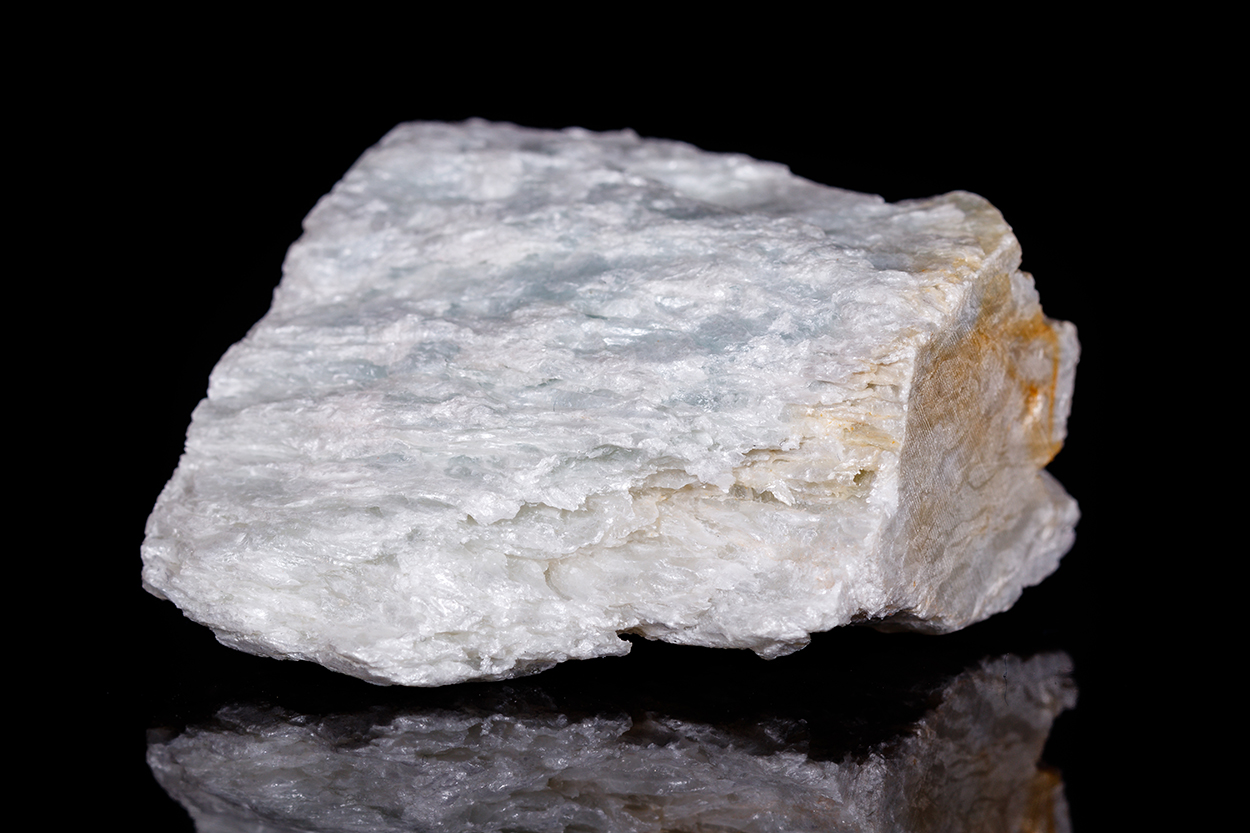
    Talcum powder is made from talc, a mineral made up mainly of the element’s magnesium, silicon, and oxygen. As a powder, it absorbs moisture well and helps cut down on friction, making it useful for keeping skin dry and helping to prevent rashes. In its natural form, some talc contains asbestos, a substance known to cause cancers in and around the lungs when inhaled. 
Researchers use two main types of studies to try to figure out if a substance or its exposure causes cancer: lab studies and studies in people. In most cases neither type of study provides enough evidence on its own, so researchers usually look at both lab-based and human studies when trying to figure out if something causes cancer. It has been suggested that talcum powder might cause cancer in the ovaries if the powder particles were to travel through the vagina, uterus, and fallopian tubes to the ovary. One of the problems with studying this issue is that ovarian cancer isn’t common. 
    Correspondingly, even the largest studies done so far might not have been big enough to detect a very small increase in risk, if it exists. No increased risk of lung cancer has been reported with the use of cosmetic talcum powder. One study suggested genital talcum powder use may slightly increase the risk of endometrial (uterine) cancer in women who are past menopause. But other studies have not found such a link, therefore further studies are needed to explore this topic. Several national and international agencies study substances in the environment to determine if they can cause cancer. The International Agency for Research on Cancer (IARC) classifies the perineal (genital) use of talc-based body powder as “possibly carcinogenic to humans” based on limited evidence from human studies. The U.S. National Toxicology Program (NTP) has not fully reviewed talc (with or without asbestos) as a possible carcinogen. In the end, there is very little evidence at this time that any other forms of cancer are linked with consumer use of talcum powder. Until more information is available, people concerned about using talcum powder may want to avoid or limit their use of consumer products that contain it. 
    A series of decisions made in multiple courts across the country have gone against Johnson & Johnson in the talcum powder litigation. Most recently, on August 5th, 2020, a New Jersey state appeals court reinstated lawsuits dismissed four years ago that claimed Johnson & Johnson’s talcum powder products caused ovarian cancer. The lawsuits were revived after the New Jersey court determined that the plaintiffs’ experts’ opinions should not have been dismissed. In reversing the lower court’s 2016 decision, the appellate court found that Judge Nelson improperly assessed the experts’ credibility and did not scrutinize the methodologies underlying their conclusions that talc exposure can lead to ovarian cancer. This reversal reinstated hundreds of ovarian cancer cases against Johnson & Johnson in the Atlantic County Superior Court in New Jersey. In the past few years, numerous juries concluded that Johnson & Johnson’s talcum powder products caused ovarian cancer and issued multi-million and even multi-billion-dollar verdicts. 
    In April 2020, a New Jersey jury charged Johnson & Johnson with a $750 million verdict in punitive damages alleging their Baby Powder caused mesothelioma in four individuals. In September 2019, a jury in New Jersey awarded over $37 million in damages to four individuals who claimed they developed mesothelioma after being exposed to asbestos-contaminated Johnson & Johnson products. The Missouri Court of Appeals issued a verdict in July of 2018 ordering Johnson & Johnson to pay $4.69 billion, which was ultimately reduced to $2.1 billion in June 2020. The verdict noted that Johnson & Johnson’s talcum powder caused cancer in 22 women, and that the corporation failed to properly warn consumers of the potential negative effects of using talc. In April 2018, a New Jersey jury awarded a verdict totaling $117 million to an individual who claimed using Johnson & Johnson’s Baby Powder and Shower to Shower products caused his mesothelioma.

Johnson & Johnson’s Baby Powder and Shower to Shower product


In August 2017, a plaintiff was awarded $417 million by a California jury after claiming her use of Johnson & Johnson products for decades caused her ovarian cancer. In May 2017, a jury in Missouri awarded an individual $110 million in both compensatory and punitive damages. In October 2016, a Missouri jury awarded an individual $70 million in damages after she developed ovarian cancer from using Johnson & Johnson’s talc powder. In one of the first ovarian cancer verdicts against Johnson & Johnson back in February 2016, a Missouri jury awarded a late plaintiff’s family $72 million after the plaintiff passed away from cancer she claimed she developed after using their talc powder. After decades of Johnson & Johnson falsely misleading consumers and the FDA about the impact of asbestos-contaminated talc on public health, thousands of affected consumers are seeking justice after developing cancer.

Stakeholders
    Johnson & Johnson holds their relationships with its stakeholders very highly. By being attentive and responsive to stakeholders, Johnson & Johnson can gain new insight that may advance business planning. This is achieved by listening to stakeholder feedback in areas they believe need improvement in, and by building trust with them through these interactive relationships. Johnson & Johnson engages with their stakeholders on a global, regional and local level to understand their expectations and how the company’s activities impact them. Some of their global, regional and local stakeholders include the Advanced Medical Technology Association, Consumer Healthcare Products Association, National Health Council (U.S.), and U.S. Chamber of Commerce. Johnson & Johnson also deploys a customer relationship management system to support consistency and visibility of engagement initiatives. The Food and Drug Administration (FDA) are also stakeholders in the talcum-powder recall. They are a part of the company’s ongoing testing and investigation to ensure their products are continuing to be safe for consumers. Individualism
    Individualism is a business ethics theory that values the business, the owner’s choices, and business profits. This theory was created by Nobel-Prize winning economists Milton Friedman. Friedman states that “it is the aim and the responsibility of businesses to maximize their profits” (Salazar 17). In other words, owners of a business have an ethical responsibility to design business actions that maximize profits for the business but do so within the law.
    An individualist would say that Johnson & Johnson did not maximize profits for the business within the law. They failed to inform the public and their stakeholders about the scientific findings of their baby powder, which resulted in the company losing a lot of money through lawsuits. The global recalls damaged the future of the product line. The negative publicity of the company also added a long-term damage on the brand. Therefore, it will be difficult for the owners of the company to recover financially. However, an individualist would not consider Johnson & Johnson’s actions as ethically wrong. The company replaced their talcum-based powder with cornstarch-based powder which will help them carry on with sales. The government on the other hand has the ethical responsibility to confirm a products safety. There are associations put in place that are supposed to enforce these safety standards before a product is placed on the market. Thus, an individualist cannot place this “blame” on Johnson & Johnson. Utilitarianism
    Utilitarianism is another business ethics theory which values happiness of all conscious beings with the absence of pain. This theory was created by Jeremy Bentham in the 1800’s but was popularized by John Stewart Mill. Mill states that “they measure the costs and benefits of various actions and principles not just for their impact on one individual or one company, but rather for all beings who are affected by the actions proposed or taken” (Salazar 19). With that being said, owners of a business have an ethical obligation to design business actions that aim to maximize the happiness for all conscious beings in the long run.
    A Utilitarian would say that Johnson & Johnson is unethical because of the consequences of their mistakes. They knew that talcum caused cancer and posed as a risk to the consumers, but they continued to sell the product anyways. Despite having this knowledge, they acquired many lawsuits against them and caused cancer in more than twenty-two women. Some of the women died from ovarian cancer after using Johnson & Johnson’s baby powder. Thus, going against the utilitarianism’s view that businesses should maximize happiness of all conscious beings with the absence of pain. At the time, Johnson & Johnson was only thinking about the happiness of the owners of the company. Correspondingly, their decision to replace the talcum-based powder was purely for their own capital gain. In the hope that the new Johnson & Johnson baby powder puts an end to the lawsuits and deaths, their initial actions were unethical and morally wrong. 
Kantianism
    Kantianism is the most popular business ethics theory that values rational decision-making, autonomy of individuals, honesty and freedom. This theory originated in the late 18th century by Immanuel Kant. Kant is concerned with “the moral permissibility of the action and the moral worth in the motivation of the action. In this case, an action is rational and permissible if it meets certain standards (Categorical Imperative) which reflect respect for the autonomy and rationality of all people. The most important aspect of the Categorical Imperative is the “formulation of humanity.” This states that “it is wrong to use people as a mere means to get what you want. It disregards their rationality and freedom and usually it involves an attempt to manipulate them” (Salazar 22). In the end, the owners of a business should always act in ways that respect individuals and their choices. They must do so without lying, cheating, manipulating, or harming individuals. 
    A Kantian would view Johnson & Johnson as unethical because they manipulated their consumers for many years. They failed to tell the public that their baby powder contained talc. What’s worse is that they kept the public misinformed by sealing all evidence that proved this was true. By selling their talcum-based powder without proper safety protocol, they were evidently implementing bad will. Johnson & Johnson had the wrong intentions which led them to treat consumers as a mere means in order to obtain a profit. Again, illustrating Johnson & Johnson as acting wrongly and disregarding consumers rationality. Granted that they removed talcum-based powder from the market, they only did so for the benefit of their stakeholders not for their consumers. They are hoping that consumers trust that the new powder is safe to use despite the hesitance to believe in the brand again. 
Virtue Theory
    Virtue theory is a business ethics theory that differs from the previous three theories. The virtue theory values character traits that promote wellness or flourishing of individuals within a society. This theory was developed by the Ancient Greek philosopher, Aristotle. Aristotle says that in order to know whether a person is fulfilling his purpose and potential, we need to know exactly what they are. Thus, owners of a business have the ethical responsibility to “act so as to embody a variety of virtuous or good character traits and so as to avoid vicious or bad character traits” (Salazar 23). 
    Under the virtue theory, Johnson & Johnson is considered unethical because they exhibited many bad character traits. First, the company was dishonest with their consumers when cases of ovarian cancer rose. Again, they kept information regarding testing of the baby powder in an attempt to increase profit. This follows the second bad character trait that Johnson & Johnson showed which was greed. The company hid these documents regarding testing during several of their trials in order to win the cases. Illustrating that all they care about is maximizing profits so that owners and stakeholders can benefit as well. Proving that they do not care about the safety and health of their consumers. Finally, Johnson & Johnson acted very selfishly when they released the cornstarch-based powder so that sales can continue and the investigation into talcum-based powder can stop. Overall, Johnson & Johnson is not a virtuous company and does not aid flourishing of individuals within society. 
Justified Ethics Evaluation
    In my opinion, Johnson & Johnson acted very unprofessionally and unethically. In order to avoid this situation, the company should have had their baby powder tested by the FDA right away. Johnson & Johnson also should have taken their talcum-based baby powder off the market as soon as their first consumer sued them. If they knew talcum could possibly cause ovarian cancer, then warning labels should have been added to the bottles as well. Instead, Johnson & Johnson ignored the safety protocol and only cared about making a profit. Knowing this, the FDA should have been more involved and customer safety should have been their top priority as they claimed it to be. 
    Once Johnson & Johnson started to develop negative publicity, they unethically continued to withhold information from the public. They continuously stated that their baby powder was safe to use even though the number of consumers claiming they were diagnosed with cancer increased. It ultimately made it tough for Johnson & Johnson to defend their company virtues and morality. By replacing their talcum-based powder, it only proved that they were trying to cover up their mistake of putting their consumers safety at risk. In the end, their unethical business actions costed lives and made them untrustworthy all because they focused more on their own self-interest. 
Company Action Plan
    Due to their mistakes, Johnson & Johnson’s talcum-based baby powder is too expensive to sell in the U.S. Not only did their actions cost them business partners, but also uncertainty for the future of the business. As I had previously stated, Johnson & Johnson should have first had the FDA approve the product before selling on the market. Next, they should have put warning labels on the baby powder bottles stating that talcum is an ingredient that may cause ovarian cancer. With that being said, Johnson & Johnson could have resolved the issue right away by selling cornstarch-based baby powder in the first place. In doing so, they could have avoided the negative publicity and the overall uncertainty of their products. 
    Johnson & Johnson’s current mission statement is “our credo stems from a belief that consumers, employees and the community are all equally important” (Johnson & Johnson). On the contrary, this mission statement is questionable due to their on-going controversy. Thus, a new mission statement is needed to ensure that they actually value the safety and future of their customers, employees and community. I propose that their new mission statement be “our credo stems from a belief that the safety and health of all consumers, employees and the community be our top priority built on honesty, compassion, and integrity.” This mission statement focuses on three points that lets the public know they are taking this issue seriously out of concern for their consumers and not just the profit they hope to gain back. In order to do so, Johnson & Johnson should market themselves as such. 

Values:
· Honesty - in a company is as valuable as honesty in a person. It is important to be able to have trust and respect in a company that you deal with. It creates a positive atmosphere for all.
· Compassion - we understand what others are going through, we empathize with them, and we show them that we love and care for them. We selflessly want to do things to help them.
· Integrity - We uphold the highest standards of integrity in all of our actions. It promotes a professional culture in which individuals can depend on one another and treat each other with respect. We have no tolerance for politics, hidden agendas or passive-aggressive behavior.
· Customer Safety - Every effort will be made to ensure the safety of our Customers and team members. If an unsafe condition is noticed it is each and every team member’s responsibility to see it is resolved. We strive to exceed the expectations of our customers by anticipating, understanding and responding appropriately to their needs.

    When a company states their mission and values, they need to not only state it but also prove that they will implement these changes. As one might say, actions speak louder than words. Therefore, Johnson & Johnson must put new systems in place to ensure their company will grow again. First, they should be in constant contact with the FDA ensuring that their products do not contain any ingredients that may cause another issue. Second, they need to hire someone who will monitor this communication with the FDA. Almost like a “checks and balances” type of system to oversee product safety. Lastly, they should implement a department that effectively collects data and suggestions from consumers or stakeholders. This is another way to ensure that everyone has a voice and place in the decisions of product safety. With these new policies, hiring of new employees will help the company flourish.
    All things considered, Johnson & Johnson should look into remarketing their products due to the ethical difficulty they faced. This can be done through creating a new logo or new bottles the products are sold in. Although this may cost a lot, my plan will promote business profits and productivity. By implementing a new mission statement, values, policies, and marketing, Johnson & Johnson can reinstate their brand and ensure good ethics. Again, proving that their actions speak louder than words.


Magen L.

References

Copland, James R. “Opinion | Johnson & Johnson Takes a Powder.” The Wall Street Journal, Dow Jones & Company, 22 May 2020, www.wsj.com/articles/johnson-johnson-takes-a-

John. “Johnson & Johnson Mission Statement 2020: Johnson & Johnson Mission & Vision Analysis.” Mission Statement Academy, 11 June 2020, mission-statement.com/johnson-johnson/. 

“Johnson & Johnson Position on Stakeholder Engagement.” 2020. PDF File.

https://www.jnj.com/about-jnj/policies-and-positions/our-position-on-stakeholder-engagement

“Johnson & Johnson Talcum Powder Litigation Continues to Grow.” Sullivan Papain Block McGrath Coffinas & Cannavo, P.C., www.triallaw1.com/johnson-johnson-talcum-powder-litigation-continues-to-grow/. 

Loftus, Peter. “Missouri Court Cuts Talc-Powder Verdict Against J&J to $2.1 Billion.” The Wall Street Journal, Dow Jones & Company, 23 June 2020, www.wsj.com/articles/issouri-court-cuts-talc-powder-verdict-against-j-j-11592935876. 

Rabin, Roni Caryn, and Tiffany Hsu. “Johnson & Johnson Feared Baby Powder’s Possible Asbestos Link for Years.” The New York Times, The New York Times, 15 Dec. 2018, www.nytimes.com/2018/12/14/business/baby-powder-asbestos-johnson-johnson.html?searchResultPosition=3. 

Salazar, Heather. The Business Ethics Case Manual. n.d. 

“Talcum Powder and Cancer.” American Cancer Society, www.cancer.org/cancer/cancer-causes/talcum-powder-and-cancer.html. 

Myanmar Mining Risking their Workers Lives Every Day (2016-2020)


Workers in Hpakant searching for Jade.
 Controversy   

In Myanmar’s northernmost Kachin State, Hpakant, mining companies for as long as we know it have been searching for jade gemstones to generate billions of dollars a year in Myanmar. The entire jade industry is driven by a few positive outcomes because of the wealth involved in the stones. For instance, in 2014, the jade industry was worth up to $31 billion in 2014 alone.  The miners have been dragged into an ongoing cycle of environmental destruction, poverty, drug use and more because of the expectations of success in the mining industry. These mining companies are controlled by the government rule and are constantly creating suspensions and liabilities to attempt to prevent the destruction. For years there has been a present, ongoing battle with the Tatamadaw rules, or the military, and these mining companies. The nation’s government has been attempting to prevent the destruction of the land as they have seen over the years through repetitive landslides. Since 2016, the government implemented suspensions on gemstone permits exposing military-linked networks. This is because people were starting to optimize that the conflict and corruption could be reformed simply because of these suspensions. The licensing suspension showed that the military was controlling jade production proving why most of the miners do not even see the benefits of the profits they are making because the military is involved and overcoming the production before the local people even have the chance. The government and military have attempted to regulate the mining and use guidelines, such as the suspensions, to help maintain the laws and regulations. (Frontier Myanmar 2018). 

            However, more recently, the government is still attempting to control and prevent the mining from destroying the communities. In July, they ordered the mines to close from July 1 to September 30th because of the risk of landslides during the heavy rain seasons. The miners did not back down. Hundreds of illegal workers came in to keep searching for the jade instead of the regular workers from companies despite the risks. “An illegal ethnic armed group took money from the illegal miners and gave them permission to work here” (New York Times 2020). They began searching at night and out of normal mining company hours so they would not draw attention to their illegal actions that they are taking part in. These illegal miners are considered the most vulnerable and they are called the yemase. They are often addicted to methamphetamines and heroin, therefore relying on the mining sites at night. Mining is such a large part of Myanmar’s community that it is almost impossible to stop around 100,000 miners that work in the region despite the risks.

When the landslide occurred on July 2, 2020, it was not out of the ordinary. Mine collapses occur frequently in the Kachin State. Just last year more than 50 people died in a similar landslide and dozens were swept away the year before. The hundreds of workers were digging illegally near the water’s edge when the entire mining hill above a large body of water, that has gathered over time, began to slide. Mud and rainwater forcefully traveled through the mining valley below taking all of the miners in the valley with it. The workers did not have enough time to run away causing them to drown from the 20-foot wave. The government can try time and time again to prevent the miners from having to run to the hills but there are so many factors from drug use to domestic abuse that the members of this country are not willing to stop, or even take a break from mining.

Stakeholders

The miners and their families like Kai Ring represent a large number of the stakeholders. This is because they lose the most no matter what. The ongoing war has added constant stress for the villages because if they are mining illegally it's bad, but if they are mining legally its bad because the military takes all of their profit. Additionally, the Tatamadaw military and the mining companies are stakeholders and all of the countries that trade with Myanmar for their jade. The mining company has multiple workers other than those from the village and they all could be at stake.

Individualism

Individualism focuses on the importance of maximizing profit within the law. In the situation with Myanmar, individualists would consider the mining companies' actions unethical. This is because the companies are illegally mining and using extra time and demand from their workers in order to maximize their profits. Milton Friedman argued that management was responsible for maximizing business profits and any actions taken without considering profit is stealing from the owners of the company (Salazar 17). The illegal work is an exact representation of how they are not utilizing their ability to profit properly. They are breaking laws and even going against the military to get what they want.

Miners searching at night, illegally.

When Myanmar’s Parliament passed a bill preventing new licensing of mining companies, the government showed little to no involvement in restricting the amount of mining. The companies continue to illegally mine which causes a large conflict of interest. In addition, there was an attempt to reduce the size of mining block areas, but companies did not listen. Mining companies could be fifty or one hundred acres, but the law only allows three or five acres. Mining companies continue to be unethical and irresponsible because of the fact that time and time again they do not consider the factors of the workers that are expected to cover all parts of the land even if they continue to expand. Finally, Myanmar produces “70% of the world’s jade stone…but as much as four-fifths of the country’s jade is smuggled abroad” (Yeung). Not only is trade illegal but the smuggling does not benefit the country because they lose more in factors such as tax revenue which continues to show they may not even be maximizing their profits at this point and it is still illegal.

Utilitarianism

            According to utilitarianism, actions are ethical when the maximum amount of people possible are happy. Happiness is the most important factor in utilitarianism and the people of Myanmar are clearly not happy. They are being forced into working in conditions that they are not comfortable in. People are stated that they are constantly worried that they could die at any second when they are searching for jade because of the harm to the environment over the years. Not only are their lives at risk because of the environment but also people have lost their land due to the expansion of mining. As the areas of mining continue to grow miners and their family’s homes have been overcome. Families are losing their loved ones as mining disasters continue to occur causing despair. Additionally, women in Myanmar are not permitted to mine and therefore everyone in the community is not happy because women are not provided with opportunities to work other than inside their homes. Finally, there is a consistent drug use problem because heroin is sold “openly, like selling a movie ticket” (Yeung). Addiction has spread across the communities and people are losing their lives once again to more factors other than mining because the community is simply destructive.

Kantianism

            Kantianism states that rational decisions need to be ethical. Kant consists of the formula of humanity which states to treat people as an end itself and not simply as a mere means. Decisions must be motivated by your expectations and not self-interest. In Myanmar, the mining companies are using their workers to continue the company’s growth and a business is never exempt from the Kantianism rules and standards. The business should always be honest and loyal to their workers and customers. Mining companies are putting their workers at risk and lying to all of them because the government lacks the involvement, and the companies take advantage of that. If they acted ethically and followed the government’s rules, they could have saved the 200 or more lives lost from only one landslide disaster. Instead, the mining companies are acting out of self-interest and there is no one stopping them. Universal law, on the other hand, establishes a maxim that everyone will follow. The government has lacked this involvement and not established a reliable maxim for everyone to follow consistently and therefore the people are able to lie and deceit others because there is no clear universal law. If there was a consistent and enforced idea for all of the mining companies in the area, then the treatment of the workers would be more ethical. The miners do not even receive a large benefit from the mining and once again are being treated with unethical actions.

Virtuous Theory

             The Virtue theory consists of the cardinal virtues which are courage, justice, wisdom, and temperance. All of these virtues must be met in order for a business to be ethically successful. These virtues are not all equally represented in the mining companies and their actions. Once one virtue is not present then the whole system can fail because they are showing unethical qualities. Justice is hard work, quality products, and fair practices. The mining companies lack justice and honesty because they are going behind the rules and regulations implemented by the government simply to keep their business going. The miners are risking their lives every day because of their justice of working hard but the government and mining companies are unethical and do not provide the safety protection that the miners deserve. Temperance is having a realistic mindset of expectations and desires. The mining companies are showing a lack of temperance because they are not being smart and considering the factors that they are destroying the environment and lacking the prudent thoughts that can help to save the environment and future dangerous risks from happening. The mining companies’ expectations to maximize their profits have become unrealistic because they are expanding their mining areas, destroying the environment, and ruining the lives of the people. The expectations to be as successful as possible should not be so high that they overcome the land and its people.

Opinion

            In my opinion, the mining companies are being very unethical towards their workers. If a company wants to be successful they must value what generates the most success; and in this case, it is their workers. Although the government attempted to put a restriction on mining, it was not enforced enough to protect its people. The government and the mining companies are both at stake for not being responsible enough. This is not the first time a landslide has occurs resulting in a large number of deaths which shows the government is not impacted by these events. If events keep occurring where large members of the community are either dying or being lost, families are, if not already, going to revolt. It is difficult to lose a loved one and if these families are losing their family members all because of events that can be prevented, they are going to start showing emotion and despair. The communities are already at risk because of the presence of poverty and their low living standards, adding illegal mining and high expectations for miners, the community risks are extreme. If people are mining they are more likely to get roped into the drug use that takes place in Myanmar which also causes more health risks. Overall, Myanmar mining and the government has very unethical motivations, and it's leading to more and more harm to every aspect of the Myanmar community.

Action Plan

Workers are constantly putting their lives at risk every day they show up. From the effects on the environment and all of the stakeholders at risk, the government and the mining companies must be aware of the constant effects they are causing. The government must become more involved by implementing stricter laws to the illegal actions that are taking place. If the government gets involved then the miners are less likely to continue expanding their mining locations and be able to prevent the environmental hazards. The miners should implement a strike in order to act against the companies that are encouraging them to continue mining in difficult scenarios. If the miners show concern for the environment and their own safety then the company should honor the fact that they should focus on their workers. Once the workers provide a reality check for the company, they should begin to monitor close workings and simply follow the government's interventions. If they simply follow the pause in working from July 1-September 30, two hundred lives could have been saved all because there should have been a pause in mining for a couple months.

Myanmar's government has yet to implement desperately needed reforms, allowing deadly mining practices to continue. Between the government and the mining companies, they should focus on a new outlook that could benefit every stakeholder ethically. My recommendation is to go by a statement to create and grow sustainable value for our stakeholders through the application of best practices in mining and our commitment to protecting the health and wellbeing of our employees and the environment in the communities where we work. This mission statement not only values the goals of the company when it comes to being successful but also it highlights the greater importance of protecting their employees as well. With this statement in mind, governments and companies can honor the safety, efficiency, and respect of every stakeholder involved reflecting the core values that they should encourage.

The mining companies and the government should much closely be monitoring all aspects of the miner’s lives. They complain about a variety of unhappy factors in their lives from mining in dangerous settings to drug abuse in their community. Therefore, as a result, mining companies must look to individualism and be certain that although they want to maximize their profit the people must be happy because they show unhappiness with companies breaking the law. The population of Myanmar and the communities within all show law-breaking events because of scenarios like drug use and sexual abuse. The company should follow through with better rule-following in order to help the company flourish after the controversy. If they begin strictly following the guidelines, such as not mining during monsoon season, then they will be better off overall. The employee’s lives will be protected and the environment will be protected as well.

Marketing aspects that will benefit the company would be a representative of direct stories or presentations from the members of the community. If their overall lives improve then there should be public documentation showing that they are happier because of the change in guidelines for mining. These stories should be shared with outside communities and especially the government. If the government can acknowledge and recognize that their people are happier then they are more likely to continue to encourage the laws that they implement. It is known that if positive results are proven from a particular change then the change should continue to stay that way. My plan will help benefit business profits because if the mining companies are forced to not illegally sell the jade then they may be able to find more successful, legal deals with other companies. Additionally, if the companies are selling legally then the employees will be treated better because they can receive a more direct benefit from the companies’ profit. Currently, they find valuable items and simply give them away for other companies or directors to manage and sell for their own benefit. The mission statement will be supported if the company is able to be successful and the employees are safe and happy. Everyone will only be happy if there is a better treatment to the environment and its people.

Resources

Beech, Hannah, and Saw Nang. “Raids Reveal Massive Fentanyl Production in Myanmar.” The New York Times, The New York Times, 19 May 2020, www.nytimes.com/2020/05/19/world/asia/myanmar-drug-raid-fentanyl.html?searchResultPosition=18.

Fishbein, Emily, and Aung Myat Lamung. “How A Beloved Gemstone Became A Symbol Of Environmental Tragedy In Myanmar.” NPR, NPR, 29 Sept. 2020, www.npr.org/sections/goatsandsoda/2020/09/29/915604532/how-a-beloved-gemstone-became-a-symbol-of-environmental-tragedy-in-myanmar.

Fishbein, Emily, and Aung Myat Lamung. “In Myanmar's Largest Jade Mining Town, the Semi-Precious Stone Prized by Chinese Costs More Than Money.” Pulitzer Center, 19 Aug. 2020, pulitzercenter.org/reporting/myanmars-largest-jade-mining-town-semi-precious-stone-prized-chinese-costs-more-money.

Hindstorm, Hanna. “Back to Business as Usual in Myanmar's Jade Mines?” Frontier Myanmar, Global Witness, 28 Nov. 2018, www.frontiermyanmar.net/en/back-to-business-as-usual-in-myanmars-jade-mines/?fbclid=IwAR18BvZ7JPr-IFk-B-VRStvjTeIf2W72RFLSM3fy30ncBwiW3YDIo1zLxUs.

Nang, Saw, and Richard C. Paddock. “Myanmar Jade Mine Collapse Kills at Least 168.” The New York Times, The New York Times, 2 July 2020, www.nytimes.com/2020/07/02/world/asia/myanmar-jade-mine-collapse.html?searchResultPosition=16.

Salazar, Heather. The Business Ethics Case Manual: The Authoritative Step-by Step Guide to Understanding and Improving the Ethics of Any Business. Print.

Yeung, Peter. “Lethal Landslips and Drug Addiction: Myanmar's Toxic Jade Trade.” The Guardian, Guardian News and Media, 25 Feb. 2019, www.theguardian.com/global-development/2019/feb/25/deadly-landslides-drug-addiction-myanmar-toxic-jade-trade.