GNC spiked and filler supplements (2016)
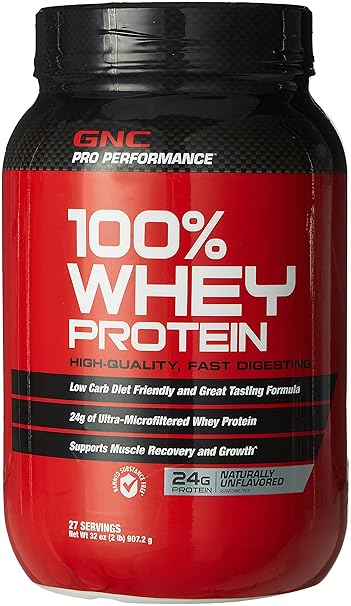 |
| One of the products under GNC's investigation |
GNC is one of the biggest vitamin and supplement suppliers in the US. In the past years they have been at the center of the largest supplement scandals in recent years. It became known that GNC was selling products that were mislabeled and ingredients were tampered with using fillers. This was discovered near the beginning of 2016 and went all the way up until mid 2017. Many products were discovered to have this issue including their protein powders, fat burners, and multivitamins. A lot of these supplements contained ingredients such as wheat, soy, and branched chain amino acids (BCAA), and 1,3-dimethylamylamine (DMAA). These ingredients were added to supplements in order to cut down on margins when manufacturing these products, however the change of ingredients was not noted on the label and poses an issue when it comes to allergies in consumers and also potential heart attacks with the DMAA. The company claimed that they didn’t know what was in the capsules and powder, because they outsource ingredients form other companies. Once it was made public that this was going on, a lawsuit was filed against the company. It was filed with the department of justice and in the end, GNC was forced to pay a $2 million settlement. GNC has yet to release an apology as of right now but claims to stand by their products.
Stakeholders
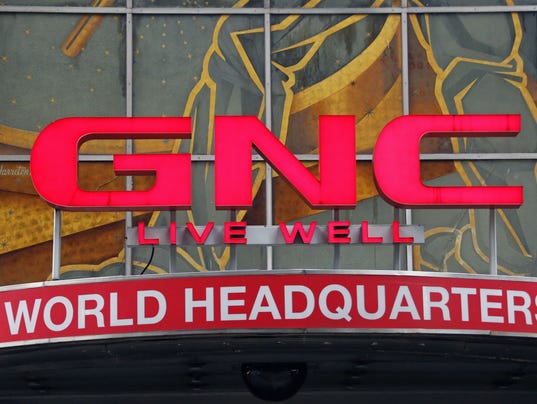 |
| GNC HQ in Pittsburgh PA |
Many people were effected in this controversy. To start, the biggest group to be effected by this are those that took these products. GNC has tons of stores all across the US and sells to millions of people, and the products involved were some of their most popular items. The only reason this was discovered was that people reported health issues, so, many people had allergic reactions and issues after using the product. Not only does this cause an issue in those that bought the product and had issues, but also people who buy from GNC may have lost some trust in the company. Next, is the employees of GNC. With the company losing money in the lawsuit, it’s possible they could make up for the lose with layoffs of their employees. And finally, GNC’s top management. These were the people who chose to use this method in order to save them money. These managers have lost trust from its customers and lost the company money and potentially their own money. Overall, many people were involved in this issue and it branches across to many people’s lives.
Individualism
In the theory of individualism, it is stated that a company is only obligated to maximize its profits for owners and stakeholders. However, even though financial gains are the main objective and an individualist would achieve that by any means, it is also noted that an individualist must also remain within the law while maximizing profits. In this case, an individualist would say that this practice is not ethically permissible. It was GNC intent to maximize their profits on their products by making cuts and adding fillers and replacement ingredients to its products, however they didn’t label these changes and because of that they broke the second part of individualism and that is acting within the law. Even though they are not regulated by the FDA, like other food and drug companies, the fact that they did not label the fillers, stimulants, and decrease in the amount of other products means that they were at fault of false and misleading advertising. Since they knowingly didn’t label the new ingredients, their false advertisement posed a major health violation that the department of justice deemed their action as negligence, or failure to use reasonable care, resulting in damage or injury to another. Also, not only did they fail on the legal side of individualism, but they also lost the lawsuit and a $2 million settlement had to be paid. Any direct loss of money would be viewed by an individualist as stealing from the stakeholders in the company. To also add, because they were found to be at fault they also lost customers in the process, which would be a loss on potential future revenue. In the end, their intent to save money and maximize profit only lost them money directly as well as future sources of income. Overall, GNC acted in a way that individualists would claim to be an unethical action, due to the fact that they broke the law in the process, also, they failed to maximize profits by losing money in the lawsuit, as well as potential investments in the future.
Utilitarianism
The theory of utilitarianism revolves around the theory of maximizing happiness for all the stakeholders involved in the long run. In this case, a utilitarian would say that GNC’s actions were not ethically permissible. The reason for this is because by the end of the lawsuit none of the stakeholders involved had increased happiness. When analyzing a case from a utilitarian stand point one must look at all the consequences of the action whether they be good or bad. To start, GNC’s upper management made the choice to add fillers and stimulants. This gave them extra money at the time being so their happiness would have increased, however utilitarianism looks at the long-term effects. After the lawsuit, the company had lost money and was given a bad reputation, which would bring these top members of the company’s happiness down. Next, the customers were promised a product that would help them to achieve their fitness goals. They made purchases thinking they were being told exactly what they were getting, however once it was made public that this was not the case, the consumers were disappointed and overall happiness was not maximized. Also, those who were directly affected by these ingredient changes were hurt the most. The consumers who bought products that, unbeknown to them, contained ingredients that they were allergic to and had to be treated and/or rushed to the hospital. Some were even unknowingly over using the product because it contained DMAA and that caused health issues in people. If GNC had thought about the long-term effects rather than only focusing on the short term, they could have realized that their actions would be potentially dangerous for numerous customers by causing health issues, and that they would be losing out on money from the lawsuit and also lost current and potential customers. Overall, the long-term effects of GNC’s actions caused major issues with everyone involved from the top all the way to the bottom, and because of that no one’s overall happiness was increased and many were harmed in the process.
Kantianism
In Kantianism, the main focus falls on those behind the actions, in this case it would be the heads of GNC. Kantianism theory’s biggest aspects are to act rationally, inform consumers so they can make rational decisions for themselves, respect customers, and act on goodwill. When viewing the case from this point of view, in this case, a Kantian would say GNC’s actions were unethical. To start, GNC decided to make multiple changes to their formulas on several of their products in order to cut down on margins and increase profits. However they did not act rationally here, because they did not take into account what would happen to their customers if they made the changes in ingredients. Since GNC chose to not take factors other than money into account, they acted irrationally. Next, GNC added these ingredients, but did not list any of the changes on a new label and make that information obvious to the consumers. Without that information, a person lacks the ability to choose and act rationally when looking to buy GNC’s products. Their next failure was choosing to not inform their customers to help them act rationally. Also, GNC lacked in showing their customers respect. Them not listing changes to their product as well as the addition of potentially harmful fillers and stimulants shows a lack of respect for the wellbeing of its customers and paints an image that GNC does not care about helping its users achieve their goals. Finally, GNC also showed that their actions were not made with the intent of acting on goodwill. By choosing to be deceitful and cheap towards their customers, just goes to show that the only result GNC was looking for was a way to scam customers and make more money from it. They were more focused on their overall profit and in the process, did not take into consideration the respect that they are obligated to give to their customers. Due to GNC failing on all fronts of Kantianism, a Kantian would decide that GNC’s action were unethical.
Virtue Theory
Case examination through virtue theory focuses on the character of companies and how they reflect the companies’ values and standards. Virtue theory has four main focuses, which are courage, honesty, temperance, and justice. When looking at how GNC acted, it is easy to notice that they fall short on these characteristics and because of that a virtue theorists would say that they acted unethically. To start, GNC did not have the courage to make it known that they were adding ingredients and taking away others and come forward and tell their customers that the formula had changed, because of their fear of losing revenue because they would be producing a lesser quality product. Next, they were also obviously not honest about using fillers and stimulants in their product. Their dishonesty not only came from not mentioning the fillers, but also by stating that the nutrition facts were still the same and had the same benefits, when in reality it no longer was the case. Also, GNC showed a lack of moderation. Their lack of moderation showed when they decided to make financial savings at the customer’s expense, rather than finding methods within the company to do so, such as finding cheaper outsourcing companies or insourcing the ingredients all together. Finally, they disregarded justice by holding back information from their consumers. It was unjust of them to lie to the people that put the company where it is now and putting those same people’s health at risk all to save a few dollars per unit. After examining all of these characteristics and seeing how GNC lacks in each of them, it starts to paint a picture of what the company’s moral values are and what their real intent is. Since GNC failed across all aspects of virtue theory, it is clear to see that a virtue theorist would say that GNC’s actions were not ethically permissible based on this theory.
References
Maggie Fox, December 8, 2016.GNC agrees to pay $2 million fine and examine supplements it sells
Alison Young, October 23, 2015.Oregon AG accuses retailer GNC of selling drug-spiked dietary supplements
Gregory Wallace, February 4, 2015.Wal-mart, Target and others under fire for selling bogus supplements
February 3, 2015. Herbal supplements filled with fake ingredients, investigators find
David Kroll, February 9, 2015. Cease-And-Desist Orders Hit Walmart, Walgreens And Others For Herbal Supplement Sales
Anahad O’Connor, February 4, 2015.New York Attorney General Targets Supplements at Major Retailers