Showing posts with label emissions. Show all posts

Monday, November 30, 2020

Volkswagen: Dieselgate (2015- Present)

    In 2015, it was discovered that Volkswagen had installed a device into 11 million of their diesel cars which would detect when the car was being emission tested and alter the engine performance to meet the emission standard for the car. The actual emissions produced by the cars were found to be sometimes up to 40 times over the legal limit. The company broke numerous countries environmental laws across the globe and falsely advertised their cars as having low emissions. After the news broke Volkswagen had to payout $14.7 billion dollars in restitution and fines for breaking emission laws and advertisement laws. From an individualism point of view Volkswagen acted unethically because they did not act under the law and lost the company billions of dollars. From a Utilitarian stand point the company also acted unethically because they did not focus on the long-term happiness of people and other living creatures. Their decision to make cars that emit high levels of emissions affects the quality of life of everything on the planet by contributing to climate change and hurting creatures with breathing issues. A Kantian business thinker would also think the company acted unethically because it used people who wanted to help combat climate control as a mere means of profiting. They did so by selling them cars that they claimed were low emission when they really were not and actually over the allowable emission levels. Lastly, a Virtue theorist person think the company acted unethically for not following any of the 4 cardinal virtues of courage, honesty, temperance and justice. Ethically speaking Volkswagen should have just spent their time and resources into actually making their cars low emission so they would not have had this issue. As a company they need to take responsibility for their actions and work on regaining the trust of their customers which is what they have been doing.  

Company Background
            Volkswagen is a German car company which was originally founded in 1937 by the Nazi party. It was named the “People’s Car Company” and Hitlers envision for the company was to make speedy reliable cheap cars for the German people to get around their new country. Once World War II began the production halted for cars and shifted to make war supplies for the German war effort. Once Germany lost the war the Allies turned to Volkswagen to help create jobs for the German people and rebuild the country. It took a while for Volkswagen to shed the imagine of the “Nazi” car and gain popularity in the United States [1]. Today Volkswagen is one of the largest car companies in the world and also owns a line of luxury car brands such as, Audi, Porsche, Bugatti, and Lamborghini.


Volkswagen Storage Facility
The Case
    On September 18. 2015 Volkswagen had to recall a total of 482,000 cars in the United States because its diesel engine cars did not meet United States Environmental Protection Agency (EPA) guidelines [2]. Volkswagen decided that they wanted to tap into the diesel car market so they started a huge marketing campaign for their cars that was primarily focused about how low emission their cars were. There are two different types of emissions test and every car has a certain amount of allowable emissions and that number is based off of the make and year of the model of the car and is set by government officials. Different countries have different allowable numbers that are acceptable and is determined by that country’s specific government.  Cars that were made before the 1996 were emission tested by putting them onto a treadmill type device and getting the car up to 55mph which the emissions were then tested. The newer and faster method for cars before 1996 includes plugging a computer into the cars diagnostic port that monitors the emissions that the car is producing [3].
Volkswagen instead of developing their engines to meet these requirements took an alternate approach to make sure their cars pass the emissions tests. Instead they figure out a way to cheat the emissions test by developing software in their cars that had the ability to detect when the car was being tested for emissions which would then cut the power and performance of the engine to make sure the emissions were low. The cars were able to determine if they were being tested by knowing the wheel position, speed, air pressure and engine operation [4]. They would also have the catalytic converters, which recycle exhaust gas to cut emissions, alter themselves while being tested. Once the car was back on the road it would stop cutting the power and performance of the cars and allow the engine to keep producing higher emissions. The 2011 Volkswagen Jetta had a rural (up and down hill) engine emission 38 times over the legal limit while the highway emissions was 15 times over the limit [5]. Overall, the engines were found to produce 40 times more pollutants (nitrogen oxide) then what they were legally allowed to in the United States [4]. It was later found out that 11 million Volkswagen cars had this software installed and there are accusations that other Volkswagen diesel cars and gas cars do not meet emissions regulations.
    
    Volkswagen stock fell 33% following the release of the scandal and claims that they will try to regain the trust of their customers and investors [4].  Volkswagen has made the promise to buy back or pay to have all the affected cars to be fixed to meet current emission standards. They will also be giving out compensation to customers in the United States that they mislead into buying their “low emission” cars [5]. In Europe since the emission regulations are not as strict as in the United States, they are adding a small part into its engines that will reduce the emissions to meet European standards [5]. 
   In response to the scandal being uncovered the current CEO at the time, Martin Winterkorn resigned within 5 days of the scandal going public and claims that he had no idea of the cheating of emissions while the former president of Porsche, Matthias Müller resumes the rule of CEO. Germany, The United States, Italy, France, and other countries launch investigations to find more about the scandals [2]. The United States Volkswagen president Michael Horn, “says he feels personally deceived by the scandal and finds it hard to believe that just two rogue engineers were at the root of the furore” [2]. As a result of the scandal diesel engine cars are losing popularity in Europe and leading to a large switch from diesel engine cars to gasoline powered cars [4].
    Volkswagen has openly admitted to cheating the emissions tests and has to pay $14.7 billion settlement which is more than 7 times higher than the next highest car company settlement in history. That money is allocated towards for giving consumers restitutions for deceiving them and also into addressing environmental harm prevention [6]. According to the EPA nitrogen oxide is a fine particulate matter that is ground level ozone and can cause serious health issues that result in hospitalizations, such as, increase in asthma attacks and other respiratory illnesses [6].
One of the main reasons Volkswagen implemented this software and deceit was to make their fuel economy as high as possible which subsequently makes the emissions higher too [6]. The Federal Trade Commission has filed a federal case against Volkswagen for false advertisement [6]. Currently, Martin Winterkorn is facing trial in Germany and also has charges made against him in the United States. Wolfgang Hatz the former Volkswagen development executive and two other engineers are also being charged for their roles in developing the emission cheating software [7]. Also, the former president of Audi, Volkswagen luxury car line, is also on trial for his role in the scandal. His trial is scheduled for 176 sessions up to December 20, 2022 [7].


Volkswagen Diesel Scandal Timeline
Stakeholders
    Volkswagen has a lot of hurdles they have to face to come back from this scandal. They first need to gain the trust back from their consumers around the world and regain the trust of their shareholders. They also have to hurdle the huge legal fines and payouts to their customers and need to make that money back. They had to take a 20 billion loan out to keep the company afloat [2]. The executives, engineers and marketers are all facing charges for creating false advertisements and deceiving the public. The company has committed two billion dollars into investing and working on electric vehicles which do not affect the environment [6]. Costumers have been given the option to sell their cars back to Volkswagen or have them fixed free of charge and are also eligible for compensation from the company for the deception.
Individualism
    Individualism created by Milton Freedman states that a company’s sole purpose is to maximize profit for the company’s owner or shareholders under the law. This means companies should not donate money or give out bonuses to their employees and their communities. All the money that is made as a profit belongs to the owners and it is their choice on what to do with their money. A key part of individualism is that the company should maximize their profit under the law. This means they cannot cut corners and use banned toxic materials, illegal labor practices, and tax evasion.
Looking at the Volkswagen diesel scandal from an individualism point of view there is many ethical issues. The main one that arises is that Volkswagen was cheating the allowable emission laws that was set in place by the governments their cars are in. Volkswagen was found to be in violation in the United States of the Clean Air Act 1963, which was enacted to monitor and regulate emissions in the country. Instead of making the engines emit less emissions they tried to cheat the law and design a system that would detect when the car was being tested and cut the emissions for the test. Volkswagen also found to be in violation of the FTC Act which makes it so company advertisements cannot lie about their products. Despite initially this making the company a lot of money from the sale of these 8 million cars they actually ended up losing more money. Before the break of the Volkswagen scandal no other car company had paid more than $2 billion dollars in settlement issues [8]. Volkswagen topped that by having to spend $14.7 billion dollars to pay restitutions to consumers, fix the affected cars, and fines they have to pay to the governments is substantially more than if they made the cars emissions legal from the beginning. This is has also impacted further sales of Volkswagen cars. Once the scandal broke Switzerland banned all sales of Volkswagen diesel cars inhibiting the company’s profit margins in the country [2]. After 2 months of the scandal being public Porsche’s sales and profits dropped by 50% [2]. The amount of money that was loss due to potential sales of cars and the amount of money that Volkswagen is going to have to spend on reshaping their imagine in the eyes of the public will exceed the amount of money they would have made if they never got caught.

Volkswagen Clean Diesel Ad before the Scandal Broke
Utilitarianism
            Utilitarianism would view this case as ethically wrong because it sacrificed a lot of individuals’ happiness. Utilitarianism business view is to maximize happiness for as many individuals as possible. Diving more deeply into that definition this happiness is long-term happiness and not just in the short term and it is not just talking about humans. This ethical standpoint includes any kind of living creature that can resemble some sort of happiness or normality of life. Volkswagen actions did not result in anyone’s long-term happiness. They also caused a market failure by affecting people who were not their customers. An externality is type of market failure that affects “parties who are not a part of the exchange between seller and buyer. Such parties are said to be external to the economic exchange” [9].
            Looking at the situation before the scandal dropped it seemed like there was no Utilitarian issues. Volkswagen was making money selling their new cars, customers where happy because they thought they were buying a low-emission cars and governments were happy that the cars were “meeting” the fuel emission standards. But Utilitarianism does not look at the short-term happiness it looks at the long-term happiness and once the scandal was finally reveled every single one of the previously listed parties were not happy. Volkswagen is not happy that they were caught and have to shell out $14.7 billion dollars, consumers were unhappy that they were lied to by the company, and government regulators were not happy that the cars were exceeding the up to 40 times the legal emissions.  The stock holders of Volkswagen were also unhappy that their share prices dropped down 33%. Lastly all the living creatures on the planet that are affected by this excess fuel emissions are also in jeopardy by having their habitats ruined by climate change. Volkswagen externality of higher emissions being released into the environment affected the global climate which also affects them along with everyone else on the planet. Emissions are known to cause raspatory illnesses and send people to the hospital. These emissions guidelines and limits are set in place to help keep the climate livable and by Volkswagen cheating it they were essentially hurting themselves along with the everyone else. 
Kantianism
    Someone who follows Kantianism business practices would see Volkswagens actions of appealing to consumers affection towards cleaner energy as a violation of Kantianism. Kantianism’s base is to not use people as a mere means and to respect people’s rationality. Every business’s goal is to sell people their products or services and use them as a means for profit and Kantianism has no issue of this. Kantianism has a specific formula of humanity which dictates if a company is acting ethically, which is a person must always be treated as an end and never a mere means. The key word in the definition for Kantianism is “mere” which in the context of the definition means not to take advantage of people of people and respect their rationality. Kantianism focuses on making sure companies are profiting by treating their customers with respect and dignity.
Volkswagen clearly did not meet these values for Kantianism because of how they cheated the emissions tests and lied to consumers about how clean their diesel cars ran. Volkswagen had a huge campaign in the United States and other countries that advertised their new diesel cars as low emission cars that would help with the rising concern of climate change. The affects of climate change can be evidently and clearly seen in the past few years with the record number of natural disasters and high temperature recordings. This has caused a high alarm in the majority of people who all want to see climate changed stopped and hopefully reversed. Volkswagen saw this concern that most people had as a means of profiting and started to make cars that had “low” emissions which would help with climate control. This idea is completely viable in the eyes of a Kantian thinker if that’s what actually happened. But, instead of actually developing the low emission cars they decided to cheat the emission and still said their cars were fuel efficient. They were able to trick government officials and costumers for years selling these cars under that false pretense. This deception and appeal to their concern for the climate makes the customers of Volkswagen a mere means for the company to profit.
 
Virtue Theory
    Virtue theory focuses mainly on the company’s character and how they went about conducting their business.  According to virtue theory the 4 cardinal virtues that a company must posses are courage, honesty, temperance and justice. Where courage is risk-taking and standing for the right ideas and actions, honesty is treating employees, customers and other companies the way you said you would, temperance is having reasonable expectations for your company and lastly justice means hard work, and fair practices. These 4 cardinal virtues are a must have in Virtue theory meaning that all 4 have to be present. The Volkswagen company did not exhibit any of these virtues while they were lying and cheating the environment.
The company did not exhibit courage because they did not stand up for the right and lawful thing to help the environment. Instead of following the law which was put in place to help the environment and benefit every living creature on it they decided to put profit over doing the right thing. They also did not exhibit honesty because they created a large advertisement campaign that evolved around how low emission their diesel cars were when they really were not. Volkswagen did not have the virtue of temperance because they did not have reasonable expectations for their company. History tells us that companies rarely ever get away without having their scandals released. There is always bound to be a whistle blower or someone who stumbles upon the scandal. With Volkswagen selling millions of these cars with the “cheat device” and new changing emission testing practices they were bound to be caught. Their expectations to keep their actual emissions hidden forever is unreasonable and unethical. Lastly, Volkswagen did not exhibit the virtue of justice. Instead of actually working hard and making their cars low emissions they instead took a shortcut that involved minimal hard work. They also did not exhibit fair practices for cheating their customers and attempting to cheat the government emission regulations.  
Justified Ethics Evaluation
    Volkswagen acted unethically in my own opinion. As someone who is going into the engineering field this is a prime example of unethical engineering practices. While reading about the case I have to admit I was fascinated how easy and smart their cheat system worked and for how long they were able to implement it. You have to appreciate the ingenuity that they put into making their cars despite the ethical issues. But while reading about this I kept thinking if they had such ingenuity and capable of designing such a simple and affective device what they were capable of doing if they actually attempted to make a low emission car.  Volkswagen clearly broke all 4 business ethical theories and the fact they have admitted to their faults and not try to deny any of the allegations shows that they also know they were unethical.
    The actions Volkswagen took after the scandal broke are ethically justified. The CEO left and the head of design and the engineers that designed the cheat device in the cars are also gone from the company and are on trial. In the United States they followed what the government said and set up a website where customers could sell back their cars or get the money to have it fixed. They also sent out restitutions to their customers for their false advertising practices. They have also started to rebrand their company to focus on emissions and shifted a large majority of their development focus over to electric vehicles which produce no emissions.
Action Plan
    With the notable affects of weather patterns changing climate change has become a large concern for many people and governments. In an effort to profit off of these concerns Volkswagen marketed their diesel engine cars as low emission emitting vehicles that will help slow climate change. Instead of actually making their cars low emission they created software that would detect when the cars emissions were getting tested and cut the engine performance and power so the emissions were in the allowable range. For years they were able to keep this façade up until finally it was discovered in 2015. The first step that Volkswagen should do is to apologize and recall all the cars that do not meet emission standards. Recognizing their mistake, they should cooperate with any government investigation and go along with whatever punishment is picked. Internally the company should fire and report all the individuals who were a part of the scandal from the engineers, marketers, and upper level management who knew. They should then come out with a new statement saying they apologize once more and address what they are going to do to regain the trust of governments and their customers. They should also say they are going to focus their energy on actually making low emission cars and donate money to environmental organizations that are trying to fight climate change.

    Volkswagen current company statement for 2020 is, “to offer attractive, safe and environmentally sound vehicles which can compete in an increasingly tough market and set world standards in their respective class.” This current statement addresses the environmental issues with their cars and how they are working on fixing that. The issue with this statement is that it makes it seem as if they are trying to forgot or not address their scandal. A better statement would be, “We have dedicated our time and money towards helping the environment and delivering what we originally promised, safe and environmentally friendly vehicles” This new statement acknowledges the scandal and shows that the company’s main goal is help the environment and regain the trust of their consumers by making good on their word. The new Volkswagen core values should be ingenuity, responsibility and trust. Their ingenuity should be focused towards actually making their cars low emission instead of designing a system to cheat emission tests. They can take responsibility for what they did to the environment and work on actually helping it. Lastly, they need to regain the trust of their customers which can be done by donating and helping environmental organizations and designing zero or low emission cars. To help regain credibility and trust Volkswagen should allow for a 3rd party organization to vigorously test random cars for emissions to make sure they comply with local laws.      

    The main people responsible for the scandal have all left the company and are facing criminal charges. The Volkswagen president at the time, Martin Winterkorn, head of the designing department, the engineers responsible, the American president of Volkswagen and others are either facing trial or already convicted and in jail for what they did. The marketing and engineering teams got Volkswagen into this mess and both of them are crucial for getting the company out of this hole. The engineering team needs to set all their effort into designing clean efficient cars and the marketing team needs to start a campaign showing that the company has cleaned up and all the good that they have to done to help the environment. 

            Following this action plan Volkswagen will take full responsibility for what they have done and will show that they are working to fix their mistakes to help regain trust. Their engineering teams will show their ingenuity by actually designing low emission cars and their marketing team will show complete transparency in the company to help regain the trust of customers. By taking responsibility and working towards helping the environment Volkswagen will fix the vast majority of their ethical issues.


References

[1]

H. Editors, "Volkswagen is Founded," History Channel, 26 May 2020. [Online]. Available: https://www.history.com/this-day-in-history/volkswagen-is-founded. [Accessed 10 November 2020].

[2]

"Volkswagen Emissions Scandal- Timeline," The Guardian, 15 December 2015. [Online]. Available: https://www.theguardian.com/business/2015/dec/10/volkswagen-emissions-scandal-timeline-events. [Accessed 9 November 2020].

[3]

R. Popely, "Computer emissions test replacing treadmill," Chicago Tribute, 21 October 2001. [Online]. Available: https://www.chicagotribune.com/news/ct-xpm-2001-10-21-0110210193-story.html. [Accessed 9 November 2020].

[4]

R. Hotten, "Volkswagen: The Scandal Explained," BBC, 11 December 2015. [Online]. Available: https://www.bbc.com/news/business-34324772. [Accessed 9 November 2020].

[5]

J. E. K. R. a. D. W. Guilbert Gates, "How Volkswagen's 'Defeat Devices' Worked," The New York Times, 16 March 2017. [Online]. Available: https://www.nytimes.com/interactive/2015/business/international/vw-diesel-emissions-scandal-explained.html. [Accessed 9 November 2020].

[6]

M. N. a. J. P. Jeff Bartlett, "Guide to the Volkswagen Emissions Recall," Consumer Reports, 23 October 2017. [Online]. Available: https://www.consumerreports.org/cars-guide-to-the-volkswagen-dieselgate-emissions-recall/. [Accessed 9 November 2020].

[7]

"Former Audi Chief on Trial in VW Diesel Emissions Scandal," Associated Press, 30 September 2020. [Online]. Available: https://apnews.com/article/environment-trials-germany-archive-munich-5a56e8cbe5e4a36562526b3bee8d54fa. [Accessed 9 November 2020].

[8]

G. Parker, "10 of the Largest Car Company Settlements in History," Money Inc., 2016. [Online]. Available: https://moneyinc.com/largest-car-company-settlements-in-history/. [Accessed 20 November 2020].

[9]

J. DesJardins, Business Ethics, New York, NY: McGraw Hill, 2014.


Saturday, April 7, 2018

Ford Motor Company: Diesel-gate (super-dirty super-duties) (2018)


Ford Motor Company: Diesel-gate (super-dirty super-duties)  (2018)

Super-Dirt Super-Duties

Controversy:


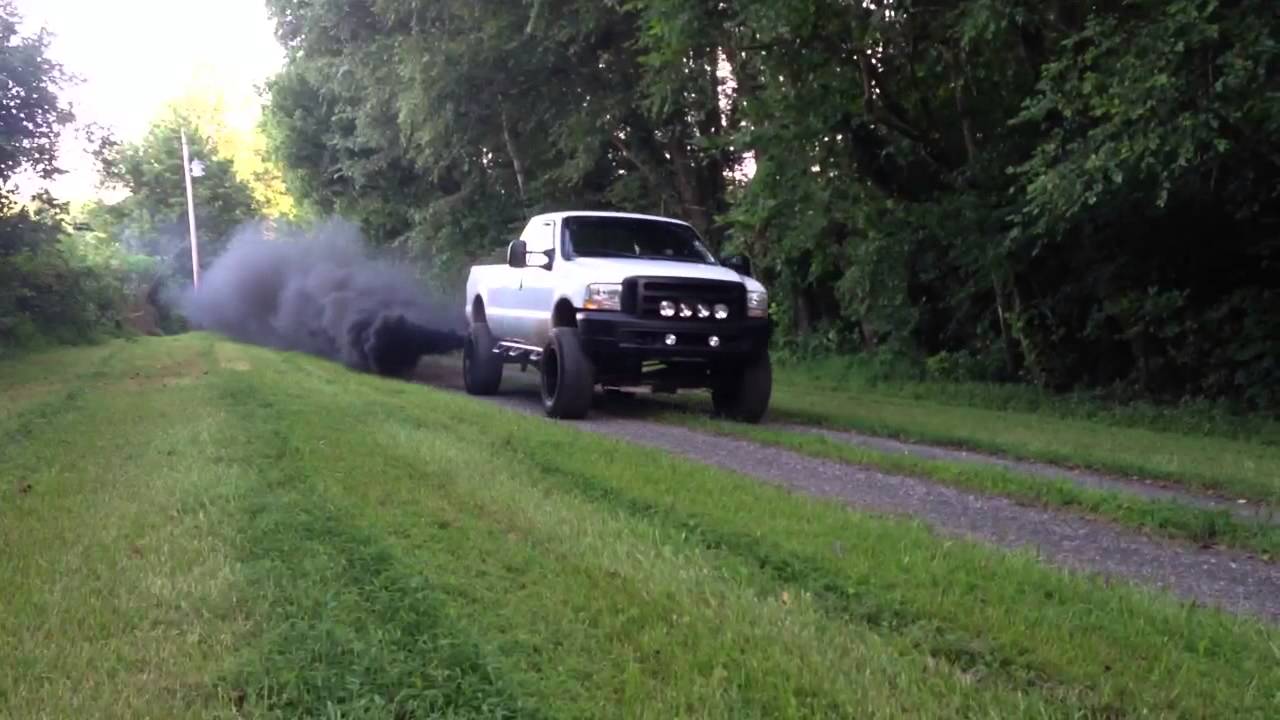
In January of 2018 a lawsuit was filed against Ford Motor Company accusing them of installing emission defeat devices in their F-250 and F-350 super-duty diesel trucks. Over 500,000 trucks were supposedly equipped with this emission defeat device from the years of 2011 to 2017. Ford replaced the traditional exhaust treatment components with a selective catalytic reduction in front of the diesel particulate filter. This device essentially sensed when the truck was being tested for emissions, based on the certification test cycle, and would allow the truck to act accordingly. Which means that when it sensed that the truck was being tested it would only produce the allowable amount of NOx, which is a mixture of nitric oxide (NO) and nitrogen dioxide (NO2). But on the other end, when it sensed that it was not being tested, the truck would produce up to five times the legal limit of NOx in normal stop-and-go traffic, and up to fifty times the legal limit when driving uphill or towing (Tracy). The EPA (Environmental Protection Agency) create emission limits, especially on diesel vehicles because of the devastating impact NOx has on our environment. The defeat device that allowed the truck to emit up to fifty times the allowable NOx is the only reason that Ford was able to achieve their class-competitive horsepower and torque outputs in their power-stroke diesel engines. Not only did Ford knowingly install this emissions defeat device in their Diesel trucks, but they got the device from the same company, Bosch LLC, as Volkswagen did before they were also caught cheating emissions testing.


Stake Holders:
            A stake holder is anyone who has interest or concern in a particular business or organization. In the case of the Ford motor company diesel scandal, there are quite a few stake holders. First, the executives, and really every one who works for ford is a key stake holder because this will most likely result in a huge loss of money for the company which will effect everyone who works for Ford. More importantly, the customers, who were lied to and tricked into buying a truck that turns out to be illegally passing emissions tests. But also, our environment and really every living thing on this planet, emission regulations were made for a reason. To protect the health of living things on this planet.

Individualism:
Individualism is the ethical theory, popularized by Milton Freidman, that focuses on maximizing profits for a company while staying within the law. Said by Freidman Himself “…to make as much money as possible while conforming to the basic rules of society, both those embodied in law and those embodied in ethical custom… (pg.55).” Individualism is rather straight forward, you maximize profits to the best of your ability for your company with out breaking any legal laws, or breaking any customs of business.
            In the case of Ford motor company, I believe that they had the best intentions of maximizing profit with their emissions defeat device. It allowed them to have a real competitive edge over the years and made their super-duty trucks a much more desirable truck to consumers.  But in the end they may end up finding tat the emission defeat devices do the opposite of maximizing profits. According to the managing partner in the firm involved in the suit, “the lawsuit is seeking up to $4.2 billion, for damages affecting more than 500,000 vehicles (Car and Driver).” Which is nothing if you look at the repercussions felt by Volkswagen in an identical lawsuit from 2014.  Volkswagen ended up having to pay out of pocket a total of $15 billion, including up to $10 billion for buybacks or modifications plus nearly $4.7 billion for environmental mitigation and zero-emission research and development. Also, in a poll of Volkswagen owners, 21 percent say that they will not buy another Volkswagen (US News).   Ford could have some serious financial setbacks coming their way once more people find out about this emissions defeat device. Also the loss of customer loyalty could be a huge impact to Ford especially with their upcoming release of a F-150 with a 3.0L diesel. This latest news of emissions cheating could have a serious impact on the excitement of this new truck. (Gilboy). These are all future possible effects that would not prove to be maximizing profits, but there are already current effects of this scandal. Their stock priced have already been majorly impacted just days after this scandal hit the news, as you can see from the picture.            
              
            According to Friedman, Ford did not follow an individualist stand because they did not stay within the law. They knowingly installed an illegal device into their trucks so that they could cheat their way around the emissions tests. They claimed to have the, “cleanest power ever” with their diesel trucks. But in reality they knew that they were emitting well over the legal limit of NOx. Ford diesel trucks go for almost $8,500 more than their gasoline counterparts, this could very well be because of the risk they knew they were taking by installing these devices. Ford violated 58 laws including state consumer, false advertising laws, deceptive trade, federal collusion laws, and Racketeer Influenced and Corrupt Organizations act, otherwise known as RICO (NGT News) (Mehrotra). One of the firms part of the lawsuit is Hagen’s Berman Sobol Shapiro LLP, which is the same firm that filed against Volkswagen during their emissions scandal in 2014.

Kantianism:
            Kantianism is the ethical theory that focuses on the treatment of other human beings. It is focused around the formula of humanity which states, “act in such a way that you treat humanity, whether in your own person or in the person of another, always at the same time as an end and never simply as a means.” This explains that you should not treat people as a “means”, or as a way of getting profit. But to hold your value and your profit in those you do business with. You must treat all the people you do business with as a rational agent. You must provide them with all the correct info they need so that they can make a rational, informed decision on their own. Kant explains that you should conduct your business in a way that everything you do, is done simply because it is the right thing to do, out of your own goodwill.
            Ford, in no way, did they follow a kantianistic business approach. The entire design, advertising, and plain motive behind their super-duty trucks was based around the fact they knew that they would be able to get away with using this emissions cheating device. Their motivation was deceitful from the beginning. They lied and tricked customers, the certified EPA emissions testers, and really the entire population. By using this device they intentionally pumped way more NOx into the air than any one thought, our environment and the people in our environment were being hurt and no one knew it except for Ford. They falsely advertised their truck saying it was the cleanest diesel on the market, they did not provide the consumers with all of the facts about the trucks. They provided the customer with enough “facts” so that they would think what Ford wanted them to think. This would not be considered doing the right thing or following moral law. So, not only did they deceit people from the beginning, but when they were finally caught in January they denied all charges and acted like they never did anything at all. The right thing would have been to come clean, but instead they are going to continue to deny all the charges until concrete evidence is found that they cannot deny.
 Image result for ford rollin coal


Utilitarianism:
            Utilitarianism is the belief that in any business action, its main goal should be happiness for all parties involved. No matter what that happiness is, weather it is for maximum profit, maximum success in the business, or even maximum satisfaction from society. A Utilitarianist would argue that


Ford was ethically unjustified in their business doings. This is because not everyone was happy in the end. Ford them selves will not be happy after they have to pay out over $5 billion at least if they lose the case. All of their stock holders are already upset because of the drop in the stock prices after the scandal hit the news. But most importantly, the customers will be the ones who are most upset. Ford claims that they have been the number one selling American based truck company for the past 40 years. This means that they have a large following of very loyal customers. These loyal customers are now going to find out that they have been lied to by their number one truck brand. That the truck they drive every day, may have just been one of the trucks with the emissions cheating device. These will certainly no longer be happy customers.    
        
Virtue Theory:
            Virtue theory actually states that within your business practices you should always incorporate 4 different virtues. The first being courage; the ability to take risks and willingness to stand up for the right thing. This does not include the courage to break the law, like in the case of Ford motor company. If Ford was to be courageous they should have not installed the devices in the first place and be the best they could be without cheating. When they got caught in the beginning of January, the courageous thing to do would have been to own up for what they did and accept the punishment as it may have come. The second virtue is honesty; honesty in agreements, hiring, and treatment of employers, customers and other companies.  Ford certainly was not honest in the making of their power-stroke diesel trucks. They knowingly installed a emissions cheating device so that the truck was able to cheat its way past emissions tests so that they could achieve max horsepower and torque. They were not honest with the customers buying the truck, and they put the employees of Ford in a position where they had to be dishonest. The third virtue is Temperance; which explains reasonable desires and expectations, moderation. One way to interpret temperance is self-restraint. This seems to be something that Ford certainly does not have. They couldn’t stand maybe not being the best truck on the market, so they felt that they had to cheat their way to be more competitive. They could not restrain themselves from having to be the best. The fourth and final virtue that’s incorporated in the virtue theory is fairness; this is simply putting in hard work, producing quality products, and having fair practices. Ford was not fair in their practices. It is not a fair thing to lie to the customers who are buying your trucks. It is not fair to the world to think that you are above emission standards. It is not fair to cheat the system to get what you want. According to virtue theory, Ford seems to be unethical in all four fields of the theory.


Bibliography
Gilboy, James. “Ford Becomes Newest Target of Diesel Emissions Cheat Lawsuit.” The Drive, 10 Jan. 2018, www.thedrive.com/sheetmetal/17555/ford-becomes-newest-target-of-diesel-emissions-cheat-lawsuit.
“Lawsuit Accuses Ford of Diesel Cheating Scandal.” NGT News, 15 Jan. 2018, ngtnews.com/lawsuit-accuses-ford-diesel-cheating-scandal.
Mehrotra, Kartikay. “Ford Sued by Truck Owners, Adding It to Diesel Defendants.” Bloomberg.com, Bloomberg, 10 Jan. 2018, www.bloomberg.com/news/articles/2018-01-10/ford-sued-by-truck-owners-claiming-diesel-engines-were-rigged.
Ford, The suit accuses, et al. “Customers Sue Ford over Alleged Emissions Cheating.” CNNMoney, Cable News Network, money.cnn.com/2018/01/10/news/companies/ford-lawsuit-emissions-tests/index.html.
Tracy, David. “Lawsuit Accuses Ford Of Cheating Diesel Emissions On 500,000 Trucks.” Jalopnik, Jalopnik.com, 10 Jan. 2018, jalopnik.com/lawsuit-accuses-ford-of-cheating-diesel-emissions-on-50-1821962910.
              “Ford Faces $4.2 Billion Lawsuit for Allegedly Dirty Super Duty Trucks | News.” Car and Driver, www.caranddriver.com/news/ford-faces-4-2-billion-lawsuit-for-allegedly-dirty-f-series-super-duty-diesel.
“How Badly Has the VW Diesel Scandal Hurt VW?” U.S. News & World Report, U.S. News & World Report, cars.usnews.com/cars-trucks/best-cars-blog/2016/10/how-badly-has-the-vw-scandal-hurt-vw.