Showing posts with label Stock Scandal. Show all posts

Friday, December 2, 2022

Venture Capital Firms: Rash Investing in FTX (2022)


(Larg investor of FTX)
ABSTRACT

            In the world of crypto currency and venture capitalist firms,’ ethics is not a term you might think of being especially important. Mr. Bankmen CEO of FTX swindled investors and mismanaged billions of customers money and eventually caused the failure of his company.  FTX and venture capitalist both fail when you grade them against the theory of individualism, they may have not broken laws, but they did not maximize profits. When FTX collapsed in on itself it also took with it many peoples life savings with it and with that their dreams and happiness there for FTX and venture capitalist fail to pass the ethical theory of Utilitarianism. Mr. Bankmen and the venture capitalist were motivated to make as much as possible and to them it did not matter so they were not motivated to do right because it is right, so they fail the theory of Kantianism. If businesspeople always used ethics to help them make their decisions events like the failing of FTX could be avoided.

ETHICS CASE CONTROVERSY

It all started when a Bahamas based cryptocurrency exchange company, FTX, was founded in May 2019 by Sam Bankmen. In the world of cryptocurrency Mr. Bankmen was seen as a savant that had complete understanding of the new and uncharted market of cryptocurrency. FTX’s goal was to try to make an easy and safe way for people to buy and hold and sell cryptocurrency. At their peak, they had over a million users. Sam Bankmen marketed his company aggressively through numerous different commercials. They ranged from comparing FTX to every major invention in history to having professional athletes endorse the company.
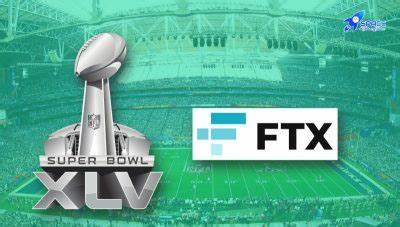
(FTX ad ran at the super bowl)

The ads put an emphasis on how safe and easy it was to use and now looking back at these statements it is extremely ironic. Mr. Bankmen’s aggressive marketing tactics also crossed over into his strategies when finding investors. His so-called pitch to potential investors was not really a pitch but a take it or leave it offer. Investors that heard Mr. Banksmen’s pitch stated that Mr. Bankmen believed that investors should only support and observe. This is where the FTX’s story becomes strange. Investors, after hearing Mr. Bankmen’s pitch, did not completely avoid this company like the plague but even more surprisingly invested with extremely little research into the company. The large venture capital’s firms that were investing should have the experience and knowledge not to just trust a person’s word but to conduct in depth research. It seems that they were blinded by the opportunity to be an early investor in a new market the New York Times
said, “Investing in FTX gave them a piece of the hottest start-up in an emerging sector that promised to be as big as smartphone apps or the internet itself.” (Griffith, Erin, and David Yaffe-Bellany) New York Times, 11 Nov. 2022). Venture Capital firms completely went away from their due diligence and hard-core review procedures that they got involved in when it came to FTX. They fell in love with this “unique” investment, and it ended up having a detrimental impact on their balance sheets. If investors took the time to investigate FTX’s company’s practices, they all would have turned away from the potential investment. Mr. Bankmen also was the CEO of Alameda Research which is a trading firm that came out November 2, 2022. This trading firm held five billion dollars’ worth of FTT coins, these are FTX’s own coins, and this discovery served as the spark to the powder keg that was FTX. On November sixth the world’s largest crypto currency exchange, Binance, said they were going to liquidate all the holdings of the coin FTT due to their concerns about risk management. This news sent shock waves throughout the crypto currency world causing mass liquidation of the coin. The problem with that is FTX did not actually have the money to give back and found itself in a crisis where they needed to find six billion dollars to give back to customers. During this the price of a FTT coin plummeted eighty percent in just two days. FTX started to look for ways out of the situation they found themselves in, so it had turned to one of its competitors. Binance announced on November eighth that they had made a deal to acquire FTX. They also released that it was still non-binding and did not release the purchase price. After this announcement FTX was going to be bailed out from the predicament that they had gotten themselves into. Only a day later, on November ninth, Binance announced that they would be pulling out of the deal due to their concerns on how the company was run and most importantly how the customer’s finances were being handled,  John J. Ray III a CEO who specializes in bankruptcy had this to say "Never in my career have I seen such a complete failure of corporate controls and such a complete absence of trustworthy financial information as occurred here," Ray said in a filing on Nov. 17(O'Halloran, Suzanne O'Halloran Fox Business, 28 Nov). This action thrust FTX back into its original position but with the add on of people questioning how their money was managed. November tenth the Bahamas securities regulator froze the remaining FTXs assets and California Department of Financial Protection, and Innovation started an investigation. Mr. Bankmen also took to twitter to inform the world that FTX did not have the capital to fulfill all the customers’ requests. He blamed the over leveraging of the company on “poor internal labeling.” (REIFF, NATHAN Investopedia 18 Nov. 2022) He also said that Alameda would slow down their trading. On November eleventh Mr. Bankmen would step down from his position as CEO and John J. Ray III would take his place as well as the company filing for Chapter 11 bankruptcy protection. When this was filed one hundred and thirty other companies were engaged in the proceedings. Soon after the filings took place, FTX stated that they were victims of “unauthorized transactions.” Third party business analysis believes that in a hack four hundred and seventy-seven million dollars was stolen. After this was discovered, the Securities Commission of the Bahamas, decided on November 18
th that FTX had to move all crypto assets to the regulator’s wallet to help protect everyone. Currently FTX is involved in civil lawsuits and one class-action lawsuit. The failure of FTX will most certainly leave a permanent stain on the crypto currency market and investors that invested in it without the research to see all the warning signs. Some economists have compared the FTX debacle to the collapse of Enron in October 2021.

(Timeline)

STAKEHOLDERS

(FTX's crypto currency) 
                   All those who engaged in FTX, were left with a bad taste in their mouths and less money in their pockets. The stakeholders that were hurt the most in the fall of FTX was the average person who was trying to invest in their future and ended up losing their hard-earned money, like Terri Smith an architect in Seattle who may have lost everything from this situation. Investors are left with depleted accounts and a limited hope of getting anything back once the bankruptcy proceedings happen. FTX did not only burn regular investors, but they did so to many venture capital firm such as Temasek and Sequoia, which stand to lose large amounts of capital.

INDIVIDUALISM

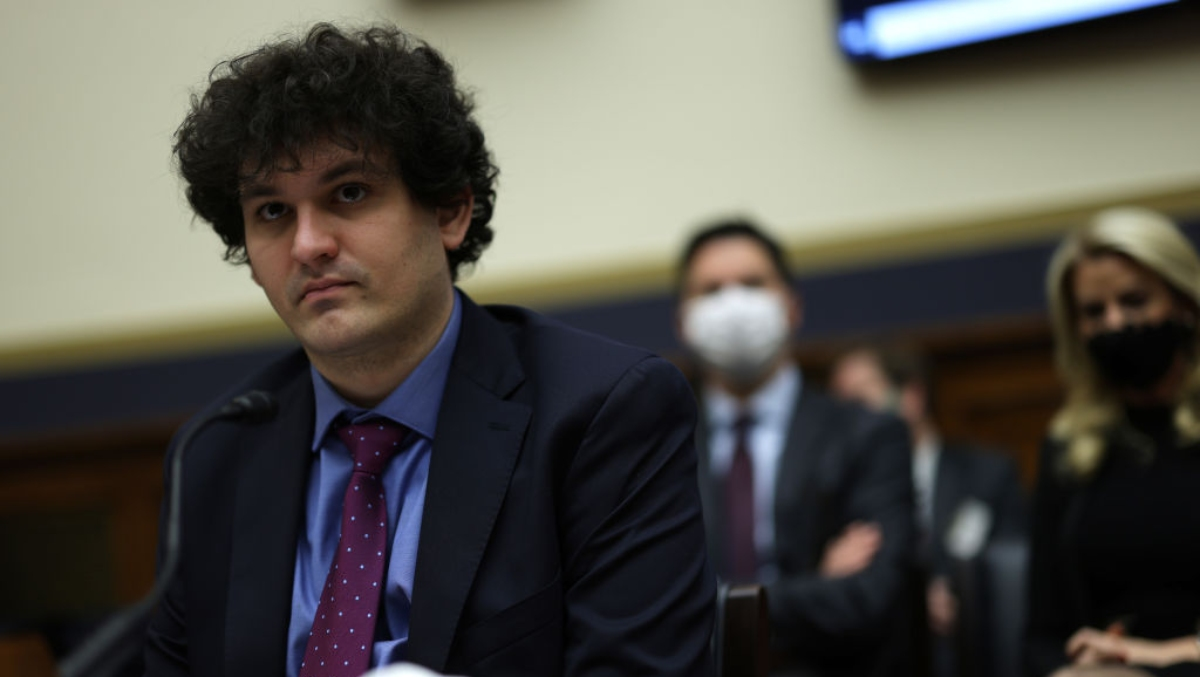
(Past CEO of FTX)
When you look at the case of FTX and the Venture Capital firms that were involved through the scope of individualism, it is hard to fully explore with the information that is currently available. At the time of this writing there are no criminal charges brought against any FTX employees. This lines up with one of the main points of individualism of attempting to maximize profits while staying within the laws. In this instance, FTX was attempting to create the most profit it could and just ended up failing. As far as we know, no laws were violated therefore FTX played by the rules of individualism and just unfortunately went under. When looking at the venture capitalist firms and how they interact with the ideas of individualism it can be looked at in two separate ways. On one hand an argument can, be made that the firms were trying to stay ahead of technology and become an early investor of a brand-new market and did not know how to research an investment like this. In this way the firm was trying to make the most profit and no laws were broken, therefore they followed the ethics of individualism. On the other hand, it could be said that one of the major jobs of an investment firm is to know every aspect of where their money is invested. They were not looking to make the most profit but were just gambling on the perceived golden boy of the crypto world. As of now, FTX only halfway follows the ideas of individualism by failing to maximize profits and the investment firms that invested without investigating the company that they invested in, did not follow the ideas of individualism due to their oversight not only not maximizing profit but actually minimizing it. The massive investments by the Venture Capital market inadvertently represented to the average investor that this was a “solid” investment based on the regular principles usually adhered to by them.

UTILITARIANISM

Looking at FTX and all its doings, it is quite clear that this business was not run under the ethical guidelines of utilitarianism. Utilitarianism is the middle ground between egoism, where you are only looking out for your own happiness and altruism, where you only look out for others happiness. When a company is operated under the guidelines of utilitarianism, the company is not only looking out for themselves but also for everyone involved. FTX showed, with their less than desirable management of themselves and their customers’ investments that they were only looking out for themselves. When Mr. Bankmen did not allow anyone else to help make decisions on his company’s board, he embodied an egoism ethical standpoint and was only looking out for his own interests. The way Mr. Bankmen conducted himself outside of his business also shows that he was only looking out for his own happiness when he used his image as a crypto golden boy to convince investment firms to blindly toss money at his company without proper research. Mr. Bankmen does not fit into utilitarianism clearly and he was known to only be looking out for his own happiness not the happiness of his users or investors. His willingness to lie and swindle people to complete his own agenda of making the most profit for himself proves this. His ethics fit an egotist model due to the fact he was only concerned in what happened to him and not how any of his own actions affected anyone else. Venture capital firms that heavily invested should have been able to see that the CEO of the company they had invested in only cared about his own net worth and happiness and did not care how he increased it.

KANTIANISM

                        Kantianism is an interesting way to approach a business ethical dilemma. Kantianism is based around acting rationally, helping, and allowing people to make their own decisions, respecting people’s decisions and everyone’s individual needs. Finally, to be motivated to do the right thing because it is right. Mr. Bankmen and FTX, under the light of acting rationally did not act in a rational manner, when Mr. Bankmen refused to allow outside help of people that have more experience that could have helped him avoid running his business into bankruptcy. During the operation of FTX people were allowed to make their own decisions if they wanted to invest or if they did not, but Mr. Bankmen did not help them by withholding invaluable information on how FTX was being run and how FTX sister company Alameda held five billion dollars’ worth of FTX own coin. This information would have most certainly changed how investors would have made their decisions, therefore FTX did not allow investors to make their own decisions but coerced them into a decision by withholding essential information about themselves. The only point where a case could be made in FTXs favor, is that they respected people’s decisions and needs. Investing always has an inherent risk involved in it so when a person invests their money in any investment, they also must accept all the risks involved in it as well. In this way, FTX respected everyone’s decisions of taking a risk in this situation. It just did not pan out in a favorable fashion. If you look at the motivations of FTX it is crystal, clear that they were not motivated by the right thing but were motivated to just make the most profit for themselves no matter the amount of people that would be burned by their business plan. They were not motivated to help their investor’s or to improve the new emerging market space, which is crypto, therefore they were not motivated to do the right thing because it is right. Mr. Bankmen did not use Kantianism ethical guidelines to help run his company.

VIRTUE THEORY

                       Some people would describe FTX as generally distrustful and dishonest. Learning and moral leadership are not terms that are used to describe FTX. It is quite the opposite. If you want to look at FTX as a trustworthy company, you must do your proper research on who runs the company and that is Mr. Bankmen. This individual was also the CEO of another investment company. This company also held five billion dollars of the crypto coin FTT. FTT is FTXs own crypto currency made for their exchange in most circumstances this would not be a problem but both companies shared a CEO. This was seen as an extremely shady way to do business and was done to boost the perceived numbers of their own coin. When looking to see if this is an honest company, you must look at how they managed users and how they secured investments for themselves. FTX was well known for partnering with many super star athletes such as Shaquille O'Neal, Trevor Lawrence, David Ortiz, and Tom Brady and even running a Super Bowl ad. The ads that FTX released to the public openly stated how easy and safe their platform is. The ads were not honest to their customers about all the risks involved in investing but made it sound like there was no risk and that anyone could do it with no research on what they were doing. Hearing investors stories that heard Mr. Banksmen’s pitch to invest in his company all share the same few traits. The pitch was often described as not a pitch but a take it or leave it offer to the investment firms and Mr. Bankmen felt strongly against having outside help when making decisions about the company. FTX was extremely dishonest and used the inexperience of the investment firms in the crypto currency market to pull the wool over their eyes and take them for a ride. They had no say in it. Mr. Bankmen was notorious for refusing to allow investors a spot at the table to voice the ideas and concerns. He would not learn from people that had more experience, which could have made the company better, but he remained stuck in his ways and would not accept the help offered. The moral leadership of Mr. Bankmen is not present at any of his companies that he ran. He did not care about anything but how to increase his personal net worth.

JUSTIFICATIED ETHICS EVALUATION

            When you are running an investment firm whether that is in regular stock and securities or forging a path into a new and unclaimed market of crypto currency, the goal should be the same and it is to provide a trustful experience. FTX and Mr. Bankmen failed to provide anything that is even remotely related to the word trust. From the start Mr. Bankmen used extremely aggressive and questionable business tactics. Mr. Bankmen was a predator to all his customers with his promise of a safe exchange platform, but he was unable to provide this. He was unable provide this due to his perceived expertise and not allowing investors to have a say on the decisions with the company and provide insight from there past experiences. The incident that kicked off oversight and poor management was that Mr. Bankmen caused the failure of the company. It was even stated in a tweet that “poor internal labeling” was the cause to all the leveraging and liquidity problems that tore apart the company. If Mr. Bankmen allowed his investors, that have had countless years of experience to help him, I believe that he would have a trustful strong company that is opening a new market and giving everyone the ability to invest with it. If you were to look at it from Mr. Bankmen’s perspective, it might seem a little different. He could have viewed this situation as no one has experience running a company in a crypto currency company and his aggressive business practices could just be him fully believing that he is trying spread the new world changing innovation. In the end Mr. Bankmen and FTX did not follow any ethical guidelines and were only looking out for themselves. It did not matter who they destroyed in the rise to the top. 

CONCLUSION

The way business was conducted for everyone involved in FTX was an unfortunate display of what happens when business is done in complete disregard of any ethical thought. Mr. Bankmen’s desperate crawl to the top not only destroyed his dream of a safe and easy crypto currency exchange but also installed a new distrust for the whole market of crypto currency. It also made venture capitalist firms extremely weary of supporting any of these companies in the future. This will stunt the growth of this new market and limit new innovations in this field. In the end, the way FTX treated their customers and investor’s put a negative view on their whole industry and it all could have been avoided if any ethical thought were used.


REFERENCES 

Griffith, Erin, and David Yaffe-Bellany. "Investors Who Put $2 Billion Into FTX Face Scrutiny, Too." The Collapse of FTX, The New York Times, 11 Nov. 2022, www.nytimes.com/2022/11/11/technology/ftx-investors-venture-capital.html.

REIFF, NATHAN. "The Collapse of FTX: What Went Wrong with the Crypto Exchange?" , edited by VIKKI VELASQUEZ, Investopedia, 18 Nov. 2022, www.investopedia.com/what-went-wrong-with-ftx-6828447#:~:text=Cryptocurrency%20exchange%20FTX%20collapsed%20in%20early%20November%202022,portions%20of%20the%20company%20but%20quickly%20backed%.


Taranto, Steven, and Isabel Gonzalez. "FTX collapse: Tom Brady, Stephen Curry, Shohei Ohtani among sports figures named in class-action lawsuit." , CBSSPORTS, 16 Nov. 2022, www.cbssports.com/nfl/news/ftx-collapse-tom-brady-stephen-curry-shohei-ohtani-among-sports-figures-named-in-class-action-lawsuit/#:~:text=Those%20three%20are%20part%20of%20a%20group%20of,who%2.

Peterson-Withorn, Chase. "Exclusive: These FTX Investors Stand To Lose The Most From The Crypto Exchange’s Implosion." The fall of FTX, Forbes, 10 Nov. 2022, www.forbes.com/sites/chasewithorn/2022/11/10/exclusive-these-investors-stand-to-lose-the-most-from-ftxs-implosion/?sh=1c04ca326700.

ROBERTS, JEFF J. "SBF in criminal jeopardy: How and when he could face justice." , Fortune Crypto, fortune.com/crypto/2022/11/18/sbf-in-criminal-jeopardy-how-and-when-he-could-face-justice/.


O'Halloran, Suzanne O'Halloran. "FTX bankruptcy unique, losses hard to determine: Ken Feinberg." , Fox Business, 28 Nov. 2022, www.foxbusiness.com/markets/ftx-bankruptcy-unique-losses-hard-to-determine-ken-feinberg.


Tuesday, November 24, 2020

Luckin Coffee: Investors Lose Millions (2019-2020)


Luckin Coffee: Investors Lose Millions (2019-2020)

Abstract

    Luckin Coffee, a Chinese company was recently delisted from the Nasdaq for fraudulent behavior. They were able to inflate their sales numbers totaling 2.12 billion yuan ($300 million) and get away with it before their shares even became available to investors on the New York Stock exchange. By taking advantage of grey areas in financial reporting and auditing standards in China in order to report these inflated sales, they established a tremendous amount of excitement amongst investors in the Western world. Luckin Coffee, which claimed to be the next Starbucks of China was able to lie their way into boosting the growth of their stock so quickly that it almost seemed too good to be true. Unfortunately, investors and professional firms found out it really was and were blindsided by the lies Luckin told them. Investors lost millions, and Luckin added to the distrust that the United States has with Chinese companies, which further damaged Chinese companies that are hard working and do the right thing when it comes down to business.

    Using the ethical theories of Individualism, Utilitarianism, Kantianism, and Virtue theory the actions of Luckin Coffee can be further analyzed and reveal why they specifically went wrong. Individualism calls for profit within the law, Utilitarianism’s goal is to maximize happiness for all of those involved (stakeholders), Kantianism is meant to bring humanity into business, and virtue theory involves courage, honesty, self-control, and justice. According to each of these theories, the actions of Luckin Coffee were completely wrong. By incorporating these theories in their business, they could have prevented the downfall, and delisting of their shares, which led to damaging not only themselves, but many other parties as well.   

                                                                                   (CEO Jenny Zhiya Qian at Luckin's IPO - (Forbes))


Ethics Case Controversy

    In May of 2019, Luckin Coffee went through its IPO on the New York Stock Exchange. Investors were very excited about this company, seeing as how their stock price surged 18% on the day it was introduced to the Nasdaq, raising $561 million (Lucas). According to Bloomberg this excitement could be attributed to Luckin’s, “promises to defeat Starbucks.” It seems as though investors in the US saw this as a tremendous opportunity seeing how successful Starbucks has been over the years. Their plan seemed simple, “offering lower-priced coffee, primarily for takeout and delivery,” and providing an app as well which would allow them to be called a “tech company (Wang & Campbell).” This was a solid strategy because according to Bloomberg, “investors like apps and disruption.”

 (Picture on day of Luckin’s IPO (CNBC-Weizent))

    Like most new companies, “Luckin wasn’t profitable, and wasn’t sure when it would be. The business plan was to spend more to keep expanding and offering discounts to increase brand awareness (Wang & Campbell).” Despite this, firms such as Joy Capital, GIC, Blackrock Inc., and Credit Suisse Group, began pumping money into Luckin (Wang & Campbell). Not only were investors being fooled, but large organizations were comparing Luckin to Starbucks as well, “which generates a big chunk of its revenue from Chinese consumers (La Monica).” If only they had looked deeper into Starbucks and why they are successful in China, they may have figured that Luckin’s sales numbers were a huge red flag.

    Bloomberg stated that, “Starbucks had prospered in China by selling much more than just coffee and offering a comfortable place outside the home or office to meet friends or study. Luckin did the opposite: Most of its locations are more like kiosks, with little or no seating. Orders have to be placed and paid for with Luckin’s app.” Although Luckin’s plan was to do this to ultimately decrease rent, and labor costs, their approach would cost them (Wang & Campbell). In fact, in 2018, “Luckin disclosures show, its operating expenses were almost triple its sales (Wang & Campbell).”

    Another important point is that Chinese consumers prefer tea over coffee. This proved to be a struggle for Starbucks when entering into Chinese markets, thus why their strategy was different as described in the previous paragraph. “In 2018 annual per capita coffee consumption in China had reached just about six cups, compared with more than 200 cups in Taiwan and 388 in the U.S. (Wang & Campbell).” If aware of this statistic the intense and rapid growth of Luckin may have seemed a little too good to be true, given that their strategy was to provide cheap coffee.

                                                                                      (COO Jian Liu celebrating Luckin's IPO - (Hope))


    Eventually, Luckin’s lies caught up with them when investigators looked further into Luckin’s reports of stellar sales. It was found that Luckin’s, “2019 sales were inflated by 2.12 billion yuan ($300 million) and it’s expenses by 1.34 billion yuan ($190 million) that year. The fraud began in April 2019, a month before Luckin made its public market debut in the United States (Lucas).” All the investors were being lied to from the beginning and the reasons for Luckin’s skyrocketing stock price were built on pure deceit and manipulation. “Evidence shows that former CEO Jenny Zhiya Qian, former COO Jian Liu and other employees who reported to them fabricated transactions and used third parties with ties to company employees to funnel funds supporting the falsified transactions to Luckin (Lucas).” CNBC told of a report from the Wallstreet Journal that employees were able to fake these sales, “by purchasing tens of millions of vouchers that could be exchanged for cups of coffee through fake buyers and obscure companies. Many of the companies had ties to [co-founder and chairman Charles Zhengyao] Lu.”

    Since the company first came on the Nasdaq it’s shares went from around $17, to as high as $50. After the fraudulent behavior came out, the share price dropped to as low as $1.50, which can be seen in the chart from CNBC. 

 (Chart of Luckin Coffee Stock Price (CNBC-Weizent))

    Investors took a hard loss especially if they bought shares around the $25-$50 mark and were unable to sell before the drastic drop which happened in a very short period of time. With the technology we have today, stock prices react almost instantaneously to news which travels at a rapid rate. Investors holding the stock at this time had no warning, and no time to react, leaving them with egregious losses.

    After this story shocked the market, other Chinese stocks were adversely affected as well. Luckin’s actions spread fear in the market for investors in Chinese stocks, along with other Chinese companies who were similarly accused.

“Shares of China’s version of Netflix, iQIYI IQ, 3.22%,  are up only 12%, even though it would seem to be one of the biggest beneficiaries of COVID-19 lockdowns. Last month, short seller Wolfpack Research issued a report saying that the company has inflated revenue since before its 2018 IPO… Shares of another potential beneficiary of a global lockdown, Douyu DOYU, -2.52%, a developer of a videogame streaming service, are down about 28% since that company’s IPO in July 2019. The company is now the target of shareholder litigation in the U.S., alleging that it made false or misleading statements in its IPO regulatory filings (Poletti).”

    Although it would seem discriminatory to think that all Chinese companies are fraudulent, they are certainly capable of it. This is because of the difference in financial reporting policies in the U.S. and in China. The problem lies in the accounting standards because, “accountants who sign off on company financial statements in China don’t have access to those company’s actual books and records, only what they are allowed to see (Poletti).” This loophole is what adds to the distrust between the U.S. and China, and policy makers are pushing to change this. The rule of thumb being that if companies from China want to put their stocks on exchanges in the U.S, they should have to abide by the same standards. Senator Marco Rubio of Florida and Senator Robert Mendez of New Jersey are trying to pass the “Equitable Act Bill,” which would result in the delisting of companies on U.S. exchanges who, “fail to comply with auditing regulations.”

    Ultimately, if this bill were to be passed it would help to weed out the bad companies from the Chinese companies who are doing the right thing. If we look at Luckin and these other malicious companies, they are only making the problem of distrust worse. Zhang Yifan, a private investor at Commando Capital had a good point that dishonest Chinese companies, “will have an impact on Chinese companies who do things properly when they try to raise capital in U.S. stocks… it will indeed lead to a very serious crisis of trust. It will take years to ease (Stevenson & Wong).” A stock that I personally invest in (NIO) was even temporarily affected and dropped 9.4% on April 2nd due to the Luckin scandal even though they had no reports of fraud (Seeking Alpha). The actions of Luckin not only affected their own investors, but other innocent and hardworking Chinese companies as well.

(Timeline of events)

    Looking at the issues regarding Luckin Coffee, ethical theory can prove useful in analysis. Individualism, Utilitarianism, Kantian Theory, and Virtue Theory in particular can all show how Luckin’s actions were unnaceptable, and lead to the conclusion of what they should have done differently. The stakeholders(those affected by the scandal) involved in the analysis are investors, CEO Jenny Zhiya Qian, former COO Jian Liu, co-founder and chairman Charles Zhengyao, and Chinese companies in general.

Individualism

    Individualism theory’s main idea is that one should try to maximize profit, but do so within the law. Under Indivualism the actions of Luckin are not ethical, this is because they failed to maximize profit and they broke the law.

    When they were reporting inflated sales numbers they were proffiting and providing profit to their shareholders, but this didn’t last for long. By tricking their investors they made profit but at the cost of breaking the law. By going against China’s “SOX,” which could be compared to the Sarbanes Oxley Act in the United States, they failed in respect to being ethical. Yu Lu and Diandian Ma explain in their journal, ““China SOX” What Is It and Why Was It Introduced?,” that SOX was established to promote internal control. This, “internal control is to reasonably assure that management and operations are legal, the assets are safe, financial report and relative information are true and complete, the effectiveness and efficiency of operation are improved and development strategy is realized.” By reporting inflated numbers they violated SOX, because the numbers were untrue and incomplete which made it illegal.

The profit that they made was short-lived and after the scandal went public they lost a massive amount of money when their stock dropped, along with their investors. When this happened they destroyed their reputation through their own actions which set them up for their own finacnial demise. They failed to maximize profit, and they failed to do so within the law. 

Utilitarianism

 When it comes to Utilitarianism, in order to be ethical the goal of a company’s actions must aim to maximize happiness for all stakeholders. When breaking down all of the stakeholders, Luckin fails being ethical under Utilitarianism.

Starting with the investors, it can be argued that the investors who rode the stock up and sold for a profit were happy and saw tremendous returns. However, we need to look at the group as a whole. Some may have profited, but as a whole, millions of dollars were lost from holding Luckin’s stock. After the scandal broke out and the price dropped, those who held the stock lost basically all of their money. Just before the announcement the price was around $25 and dropped to around $1.50, so if one owned 100 shares at an average of $25 a share during this time, the drop would have cost them -$2,350 (1566.67% loss), with their initial investment being $2,500. This example puts the sheer loss into perspective, and shows how those who invested well over $2,500 lost a lot more if you input a larger number. For example, if one had invested $1 million at the same price, their 40,000 shares would be worth $60,000 at $1.50 leaving them with a loss of $940,000.

The COO, CEO, and co-founder would have all been happy while profiting off lies, but after the scandal was publicized, they were not happy. They not only lost money, but their stock was delisted off the Nasdaq. Amongst the associated firms there were also $9 million in fines, which they definitely were not happy about (France-Presse).

Lastly, as mentioned before, Chinese companies were affected in general by the stigma of all Chinese companies being fraudulent. This is an even larger problem, because it affects the relationship between investors in the U.S. and the hardworking companies in China who are honest about their operations. Although there are multiple companies who take advantage of differences in reporting standards, this issue still needs to be addressed. The bill that I had mentioned may help separate the bad companies from the good. For now, the other companies affected would be unhappy as a result of Luckin’s actions too.

Kantianism

The third theory is Kantianism, which is based on the Formula of Humanity. This means that to be ethical under Kantianism the company must treat others as both a means and an end, instead of as a mere means. An example of failure would be to treat people as though they don’t matter, and only use them to achieve a goal. Also, in Kantianism it is important to not manipulate, or deceive others in pursuit of a goal. Lastly it is important to allow others to make their own decision, and have a say, without manipulation.

Luckin fails again under this third theory because they are treating their investors as a mere means. By lying to them and manipulating them to believe that their sales were much higher than they actually were, they were in pursuit of profit without thinking of how it would affect their investors. They also took away the investors ability to make a well-rounded and smart decision to purchase the stock because they were fed inaccurate financial information. The investors were clearly manipulated and used as a mere means to an end in this case.

Additionally, Luckin took advantage of the loophole within the financial reporting standards in China and the United States. By doing this they used their own country as a means and not an end. By doing this they not only made themselves look bad, but made China look bad and added to the distrust that already exists between our countries. They deceived everyone by twisting the rules in their favor to profit off investors.

Virtue Theory

The last theory, Virtue theory consists of four key virtues. These virtues are courage, honesty, self-control, and justice. To be ethical, a company must follow each of these key virtues as guidelines to improve their image and relationships within the business world. By doing this they can become successful financially, as well as make a positive difference on society. Unfortunately, Luckin has done the opposite in this case, but before I get into the analysis, I’ll explain each key virtue in more detail.

Courage is about setting hard goals, that require hard work, and always following them through to the end. Honesty is about not lying, even if it is easier to lie. Self-control is about being in control of our actions and doing the right thing even when its harder to do it. Lastly, justice is about doing what is fair for everyone.

They failed to act courageous by being the opposite; cowardly. They reported fake numbers in order to look better, when in reality they were struggling. They started with a courageous goal to compete with Starbucks, a company that is well-known and respected, but did not follow through with courageous actions in their business plan. Secondly, they failed by being dishonest. By fabricating their sales, they lied to the world about who they were as a company, which ultimately showed their true self. Additionally, Luckin did not demonstrate self-control because they could have done the right thing. Even though doing the right thing (being honest about their struggle in sales) would have been the harder thing to do, it would have been better for them in the long term. Virtue theory is about doing the right thing even in these circumstances. Lastly, they failed the key virtue of justice. It was unjust for them to lie because it was not fair to the investors, and other Chinese companies affected.

Justified Ethics Evaluation

            Personally, I feel that the actions of Luckin coffee were unacceptable and completely unethical. Looking further into their business model, and simply the amount of people who actually drink coffee in China, they set themselves up to fail. They compared themselves to Starbucks, who was successful in China for reasons other than just selling coffee, and put themselves out there as a “tech company” by making an app that users had to order their coffee on.

Seeing as how they were lying about their sales, even before they listed on the Nasdaq, listing their shares in the United States almost seemed like a ploy to manipulate investors in the Western world and scam them of their money. The fact that they were dishonest before even listing their shares goes to show they knew exactly what they were doing was wrong, and their decision was made out of pure greed.

Although I could find no information about higher ups profiting off selling shares when they were boosted so high, their net worth still increased as the price went up and their ownership in the company was worth more. Whether or not they cashed out at the right time simply does not even matter. They still deceived so many people into thinking that Luckin Coffee was something it was not, which further damaged themselves and others.

Action Plan

Luckin’s problem boils down to their lies at the end of the day. The first thing that they need to do in order to overcome the situation is to admit to them and to apologize. By doing this they can start to rebuild the trust that they initially broke amongst investors and firms. Additionally, it would be wise for them to agree to Western auditing and financial reporting standards. Although they are not required to do this as a Chinese company, if they ever want to gain the trust of investors, they are going to have to make a change. Also, they should make a promise to not lie and be completely up front, even if they are not performing as well as they would like to be. By doing this, they will not blindside anyone again. It is easy to make a promise, but on top of this they should take the promise very seriously. Instead of simply telling people what they want to hear, they need to follow through with the promise as well.

Luckin Coffee’s new mission statement should be, “our mission is to provide affordable coffee by people you can trust. Through the change in technology and our app, we will provide a positive experience in addition to what’s in your cup.” Their current mission statement is, “our mission is to be part of everyone's everyday life, starting with coffee. We are China's second largest and fastest-growing coffee network, in terms of number of stores and cups of coffee sold,” which can be found on public document F-1 from the SEC for Luckin Coffee. I feel as though their mission statement is too directly shoving growth in the face of the investors. Instead of basing the company on pure growth to make it an attractive investment, Luckin needs to focus more on the consumer. By doing this they will grow in a more steady and organic manner and establish their brand with the consumer, which will eventually attract investors.

They should also establish some new core values to integrate in their business plan. The first should be borrowed from virtue theory being honesty. This is because they have lost a lot of trust and need to earn it back. In order to do this, they must be completely transparent and answer every question with complete honesty. Secondly, they should value hard work. I think this would be beneficial, instead of cheating their way to the top like they did before. By promising to work hard to strategize and achieve their goals they will go much further. Additionally, Luckin must value customer relationships. Like I mentioned before, if Luckin focuses on the consumer they will be able to establish their brand to promote growth. Lastly, they should focus on app functionality. To make their business model work for them they should work on making their app the best it can be. By doing this, consumers will enjoy using the app’s features and it will make ordering their coffee easy and free of frustration.

Luckin should also establish a zero-tolerance policy involving any sort of corruption like they saw before. In addition, there should be regular investigations into processes within the business, and all red flags should be looked into. By doing this they can efficiently solve any problems, and fire anyone who is involved in fraudulent behavior.

This new plan will help repair the trust problem between investors and Luckin, boost profitability, and prevent more fraud from happening within the company. By marketing their brand in a more consumer friendly manner, they will sacrifice their aggressive marketing approach towards investors, which will make the company’s growth safer and steadier.

Conclusion

            Ultimately, Luckin made some big mistakes and at the end of the day every company isn’t perfect. We are all human and can make mistakes, learn from them, and try to make things right. Whether the world of investors decide to trust Luckin again is their own decision, but Luckin will have to put fourth the effort if they want to continue growing as a company. By keeping the ethical theories Individualism, Utilitarianism, Kantianism, and Virtue Theory in mind, they may be able to pull it off. They could also benefit from a new action plan which may give them hope in achieving the dream the founders originally had for Luckin Coffee.

-Jacob Neal

Works Cited

·       France-Presse, Agence. “Luckin Coffee, Associated Firms Fined $9M Over Scandal.” CNS, 22 Sept. 2020, www.courthousenews.com/luckin-coffee-associated-firms-fined-9m-over-scandal/.

Hope, Blaise. “Lu Zhengyao, the Billionaire behind Luckin Coffee's 'Burning Money' Strategy.” South China Morning Post, 23 Apr. 2020, www.scmp.com/magazines/style/news-trends/article/3081256/luckin-coffee-mastermind-lu-zhengyao-how-chinese.

·       La Monica, Paul R. “Chinese Coffee Company Luckin Will Be Delisted after Defrauding Investors.” CNN, Cable News Network, 26 June 2020, www.cnn.com/2020/06/26/investing/luckin-coffee-delisted/index.html.

·       Lu, Yu, and Ma, Diandian. “‘China SOX’: What Is It and Why Was It Introduced?” Wseas Transactions On Business And Economics, World Scientific and Engineering Academy and Society, 2017, www.wseas.org/multimedia/journals/economics/2017/a925907-035.php.

·       Lucas, Amelia. “Luckin Coffee Says Independent Probe into Sales Fraud Is 'Substantially' Complete.” CNBC, CNBC, 1 July 2020, www.cnbc.com/2020/07/01/luckin-coffee-says-probe-into-sales-fraud-is-substantially-complete.html.

·       Poletti, Therese. “Luckin Coffee Shows How Risky Chinese IPOs Can Be, but Investors Are Just Not Listening.” MarketWatch, MarketWatch, 20 May 2020, www.marketwatch.com/story/chinese-ipos-are-risky-but-theyre-not-going-away-anytime-soon-2020-05-12.

·       Stevenson, Alexandra, and Wong, Edward. “Chinese Coffee Chain's Scandal Renews U.S. Calls for Oversight.” The New York Times, The New York Times, 30 Apr. 2020, www.nytimes.com/2020/04/30/business/luckin-coffee-china-fraud-wall-street.html.

“Stock Picks, Stock Market Investing.” SeekingAlpha, seekingalpha.com/news/3557916-nio-lower-after-luckin-coffee-flameout.

Wang, Jennifer. “Chinese Starbucks Competitor's IPO Briefly Makes Its Female Founder A Billionaire.” Forbes, Forbes Magazine, 17 May 2019, www.forbes.com/sites/jenniferwang/2019/05/17/chinese-starbucks-competitors-ipo-briefly-makes-its-female-founder-a-billionaire/?sh=689e64a6137e.

·       Wang, Selina, and Campbell, Matthew. “Luckin Scandal Is Bad Timing for U.S.-Listed Chinese Companies.” Bloomberg.com, Bloomberg, 29 July 2020, www.bloomberg.com/news/features/2020-07-29/luckin-coffee-fraud-behind-starbucks-competitor-s-scandal.

·       Weizent. “Fraud at China's Luckin Is a 'Great Morality Tale' for Investors, Says Analyst.” CNBC, CNBC, 7 July 2020, www.cnbc.com/2020/07/06/investing-fraud-at-china-luckin-coffee-fraud-case-warning-for-investors.html.